
Changing the Workplace System: How to Create Decent Work for All
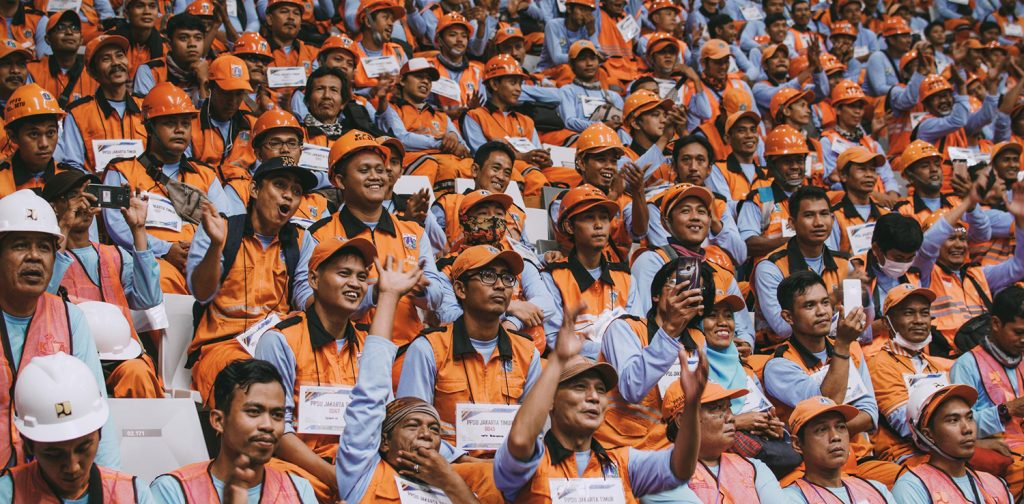
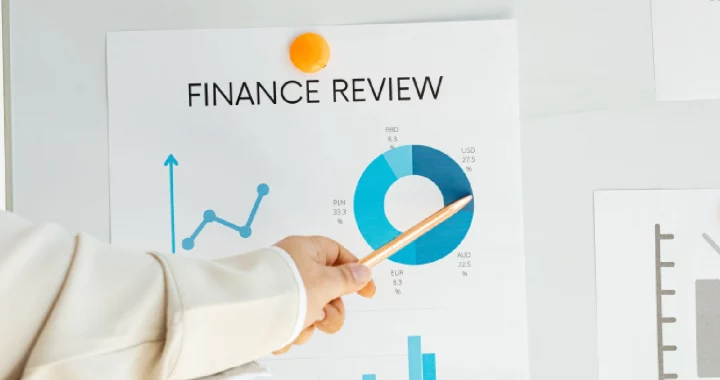
Photo by Fauzan on Unsplash
In the past week alone, there have been dozens of strikes by unionized workers from various sectors around the globe, such as in South Africa, Canada, the USA, India, and across Europe. The workplace system has been defective, and the COVID-19 pandemic exposes its fault lines. What began with massive worker layoffs at the beginning of this pandemic continues with “The Great Resignation”.
As the world recovers from the impact of the COVID-19 pandemic, we must make changes in the workplace system. This idea is in line with Goal 8 of SDGs, “Decent Work for All”. We need something better than what it was, what it still is.
Sean O’Brien, soon-to-be the head of the International Brotherhood of Teamsters, stated the importance of negotiation at this time in an interview with Allison Prang from The Wall Street Journal. He said, “these corporations made record profits through one of the most disastrous times that we’ll ever see. Now it’s time to say, look, these wages need to reflect what corporations are doing. I think we need to strike while the iron is hot right now. I am more than enthusiastic about the direction of labor unions. I love the fact that people are standing out there fighting.”
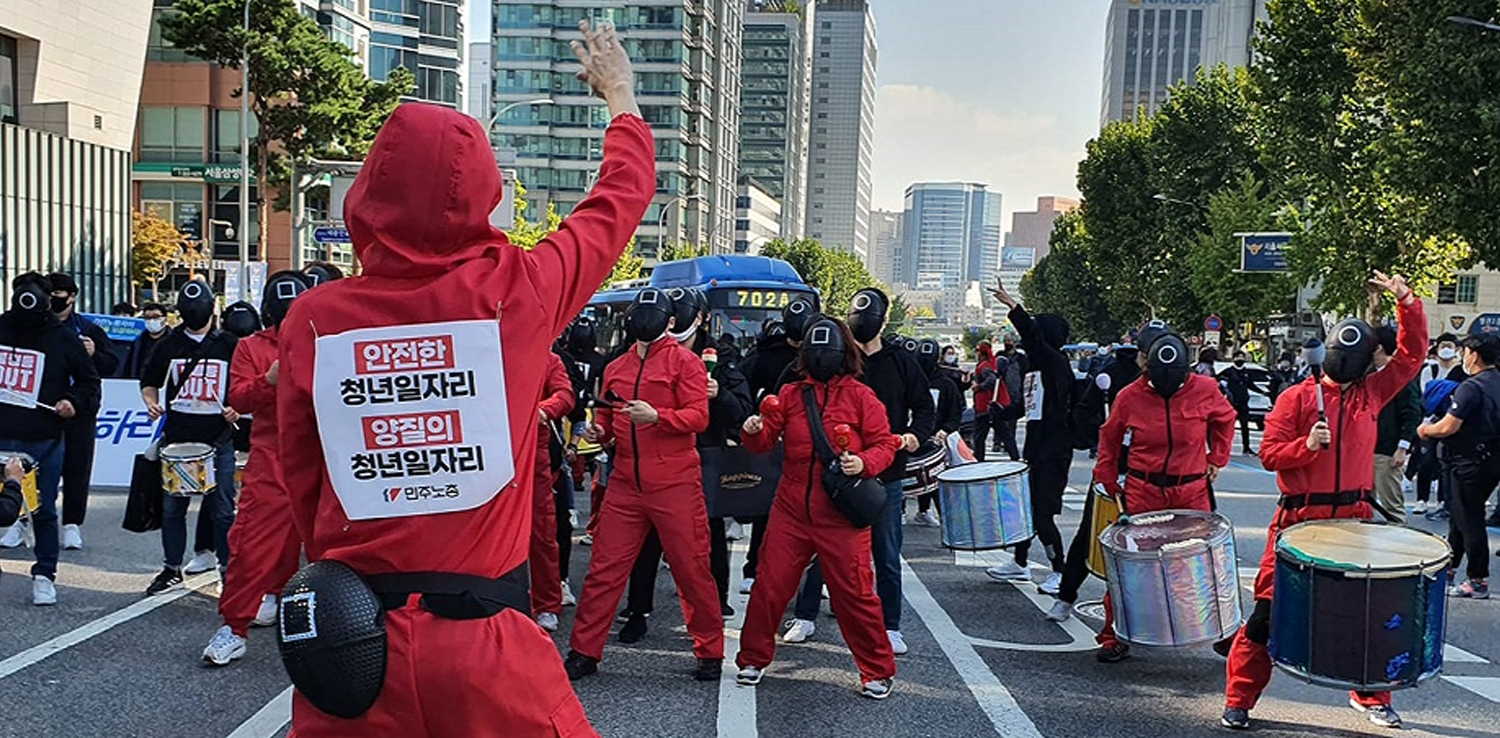
The conversation about workplace conditions is alive on social media as well. People on Twitter discuss ‘red flags’ in job listings, share basic legal rights for workers, and even urge each other to ask organizations about their COVID-19 pandemic response during the interview process. The news of a general strike in South Korea attended by half a million workers went viral on social media. The strike featured several workers in Squid Game character costumes, a recent hit Netflix series that explored the effects of an unfair workplace system, inequality, and debt.
Where do we start?
Paradigm transformation is where we begin. The well-being of workers is a right and an investment. The world, especially businesses, must view workers or employees as partners instead of tools. To look for ways to transform the workplace system, listening to and learning from what workers say, need, and demand is crucial.
- Raising the minimum wage and pay in general
The fight to raise the minimum wage has been ongoing for decades. The minimum wage has been stagnant (or with negligible improvement) in many countries worldwide amidst the rapid climb of living costs. Even in the COVID-19 pandemic, many organizations continue to rake in short term profit maximization. At the same time, the workers barely scrape by with having to work two to three jobs to survive and provide for their families. This condition leads to burn-out then walk-out; not at all sustainable for everyone involved, including the businesses due to potential huge turnover costs. Paying workers what they are due is the bare minimum of a decent work condition.
- Focusing more on the quality of life beyond decent pay
Beyond pay—and beyond paying for over time—there is the quality of life. The external factors in a worker’s lives matter. Things such as child or elderly care, commute, health, and living conditions must factor into how an organization treats all their workers beyond paying them decently. Studies found that family-supporting behaviors helped instill work-life balance and health, leading workers to higher job satisfaction, better job performance, and less interest in leaving their jobs. Another significant issue is how many organizations offer only non-permanent, non-full-time jobs to shirk their responsibilities of providing these benefits. Contract workers, part-time employees, interns, and other forms of labor deserve more than decent pay, too.
- Elevating nondiscrimination policy to anti-discrimination
In a world full of discriminatory practices, being non-discriminatory is not enough; we must be anti-discriminatory. Many organizations claim to be a safe workplace for people regardless of race, gender, disability, sexuality, age, socio-economic condition, and other factors. Yet, few enforce it firmly. Even fewer actively put in the work towards equity. Beyond enforcing a nondiscrimination policy, organizations should confront implicit bias and revamp the workplace culture that naturally hinders the advancement of women, people of color, and other minority groups.
- Offering flexibility and autonomy in practice
With the COVID-19 pandemic, we are introduced to vocabularies like Zoom meetings and a hybrid system. Remote working does not cost productivity. Workers discover varying working systems in practice, and now they know what works best for them. Some prefer remote working, some prefer a hybrid system, and others are stoked to return to the office. Offering flexibility to suit workers’ needs for their best performance is logical. An article from Harvard Business Review argues for autonomy in place of flexibility. The bottom line is that workers need both room and guidance to perform well and grow.
- Empowering with legal literacy
In many countries, it is a legal right to take one or two day-offs because of period pains. However, this knowledge is not something that is widely known. Legal literacy, or legal awareness, empowers workers to understand their legal rights and obligations, demand their fulfillment, and avoid abuse. Understanding even basic things like signing a contract and understanding legal jargon helps workers at all levels.
- Facilitating safe and open communication
Strikes are a way for workers to rank and file, be heard, and have a chance to negotiate their demands with the organizations. Often, strikes come from grievances and resentment caused by a fault in the system and being refused at the management table to bring it up. Opening a safe communication channel for workers would improve workplace conditions significantly. This is how organizations can show workers that they are seen as partners and fellow stakeholders whose voice matters. Organizations must always be willing and open to listen while minimizing potential biases, learn from their workers, and collaborate to work through the issues.
Editor: Marlis Afridah

Nazalea Kusuma
Naz is the Manager of International Digital Publications at Green Network Asia. She is an experienced and passionate writer, editor, proofreader, translator, and creative designer with over a decade of portfolio. Her history of living in multiple areas across Southeast Asia and studying Urban and Regional Planning exposed her to diverse peoples and cultures, enriching her perspectives and sharpening her intersectionality mindset in her storytelling and advocacy on sustainability-related issues and sustainable development.
YOUR TITLE FOR CONDITION 1
YOUR BODY TEXT FOR CONDITION 1
 Test premium post
 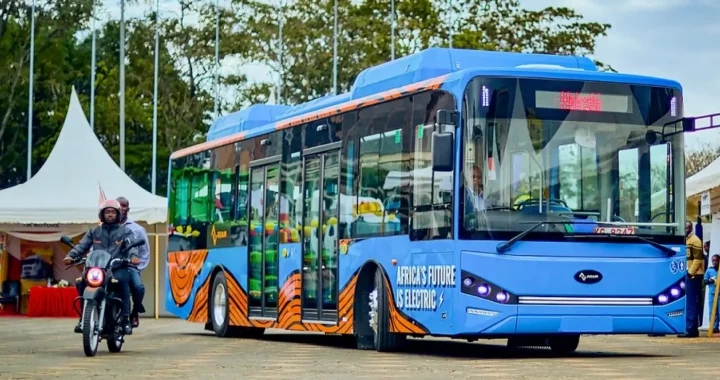 Electric Vehicles Roam the Roads of Kenya
  Come Back Stronger: Building Philippines’ Resilient Economy Post-COVID-19
  Inside Experian’s Sustainability Journey: An Interview with Chief Sustainability Officer Abigail Lovell
  How Protection Law and Global Commitments Can Accelerate China’s Wetland Conservation
  How Biotechnology Can Support Food Security and Energy Transition
  Test Custom Feature Image