
William Kamkwamba, the African Youth Who Seizes the Wind
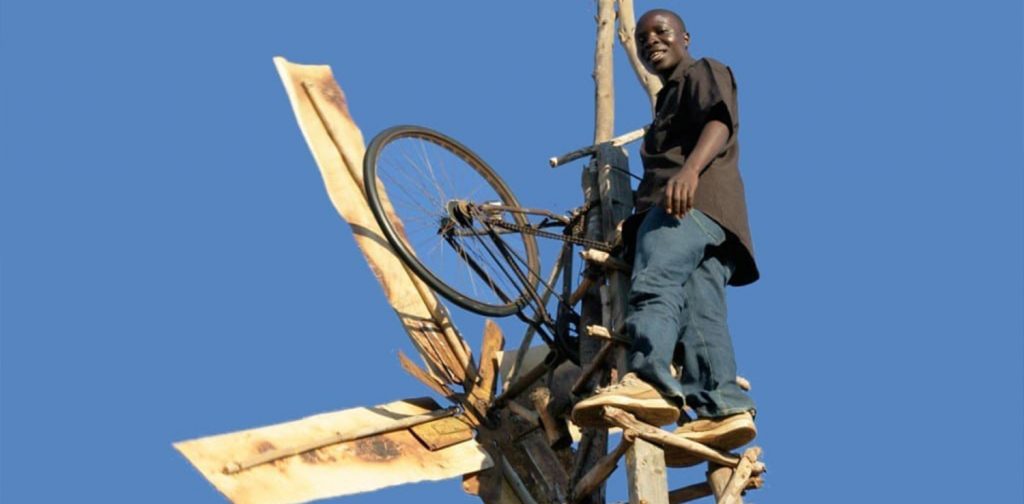
William Kamkwamba with his windmill
Even though he left school, William Kamkwamba never stopped learning. He started cultivating new knowledge through books at the local library. At 14, William spent most of his time there. He was not familiar with computers, let alone search engines like Google to help him learn. However, he read many books, especially in the science category.
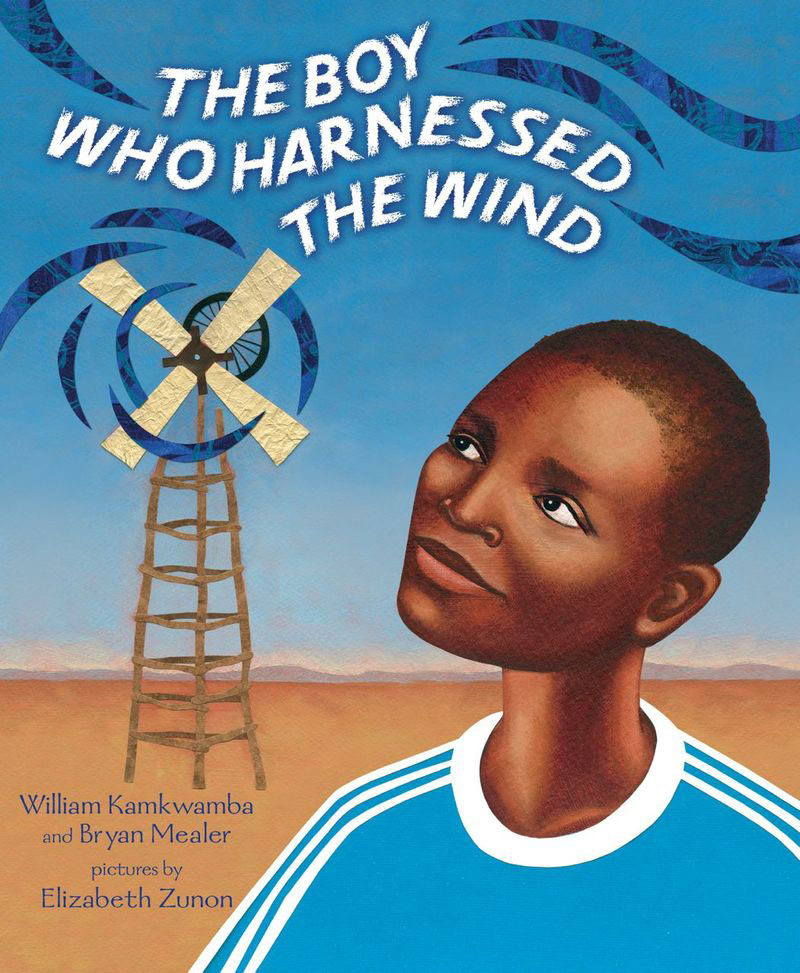
One day, William came upon a book in English titled “Using Energy”. He was not familiar with English either, so mostly, he looked at the pictures. The book cover had a windmill, and it illustrated how wind power could generate electricity.
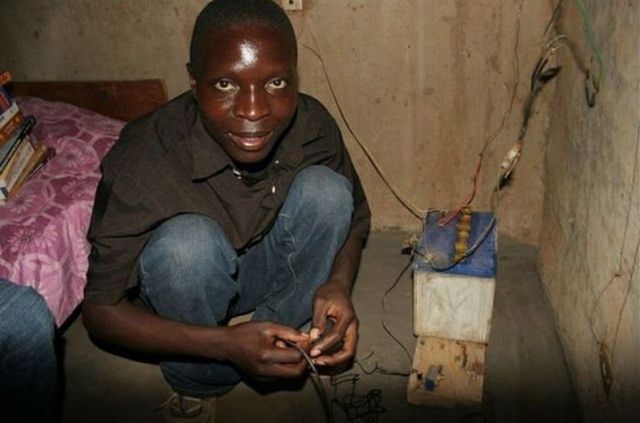
Wiliam then realized that his village needed water and electricity. Farming was in critical condition because of drought. There was no water pump. Even electricity was scarce, with only 2% of the villagers enjoying the luxury.
From his books, William learned the simple idea of building wind power electricity generators. He then started to build his first windmill from used goods. He used leftover woods from construction, a secondhand mill from a tractor, and old bicycle wheels.
“People said I was crazy. They thought I was doing drugs. They crowded around me, curious about what I was making,” said William. “But once the windmill started spinning, kids cheered.”
Once the lights came on, the villagers were confused. “How could electricity come from the wind?” William recounted his story at TED-Talk.
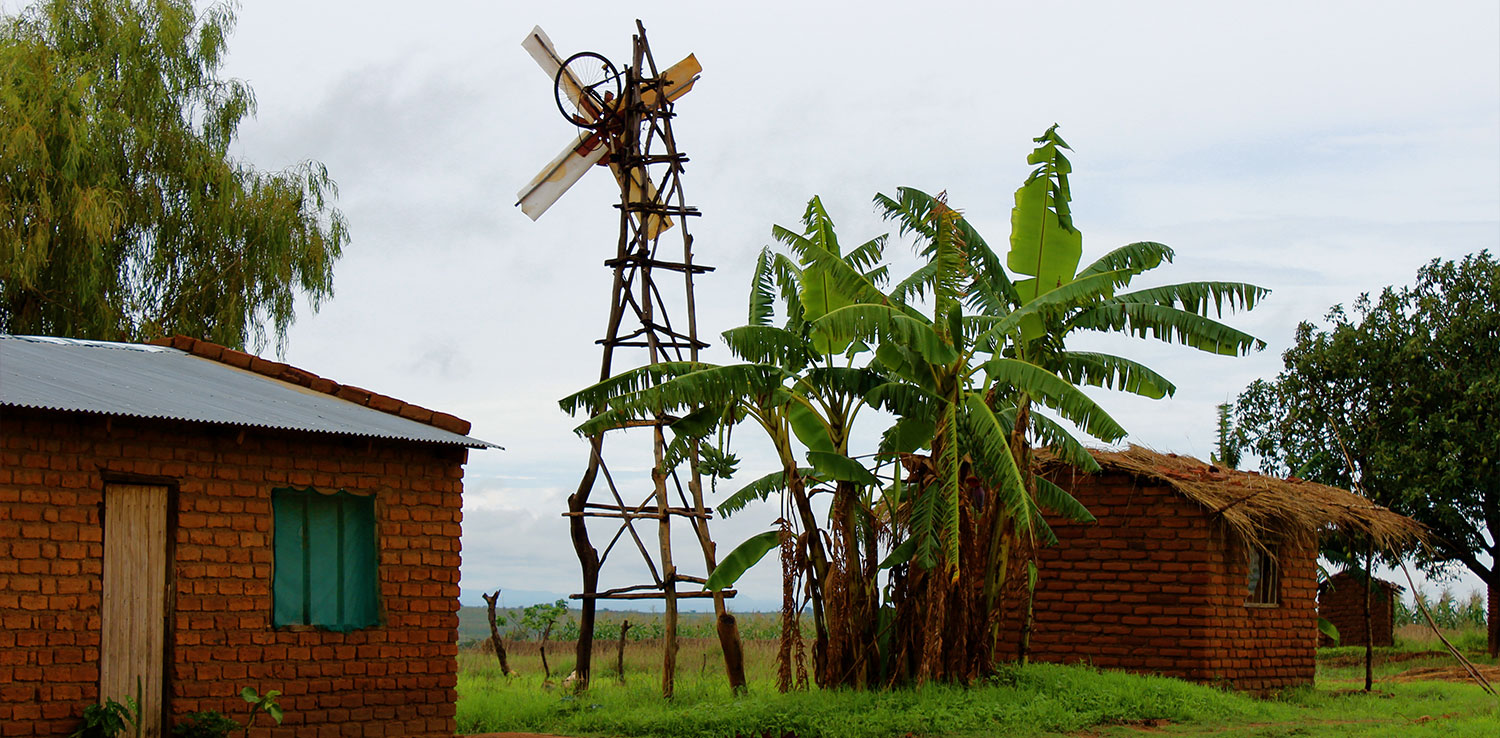
William’s first windmill powered four lamps and recharged his neighbor’s phone. He then made three more windmills. Thanks to his innovation, William’s village could feel how electricity benefits their daily lives. Houses in his village received enough power for lights at night.
William started making bigger windmills. He also built a solar-powered pump to irrigate the village’s fields.
Wind-powered electricity generators were not a new finding. However, the way William created a solution for his village’s problems with windmills was a feat on its own. An appreciation came in the form of a full-ride scholarship from Dartmouth College in Hanover, USA, for William to study at their environmental studies program. William graduated in 2014.
After graduation, William started working. He also kept working for the villagers in his hometown. He initiated the Moving Windmills Innovation Center project in Kasungu, Malawi. The project nurtures initiatives on applied technology to solve social problems.
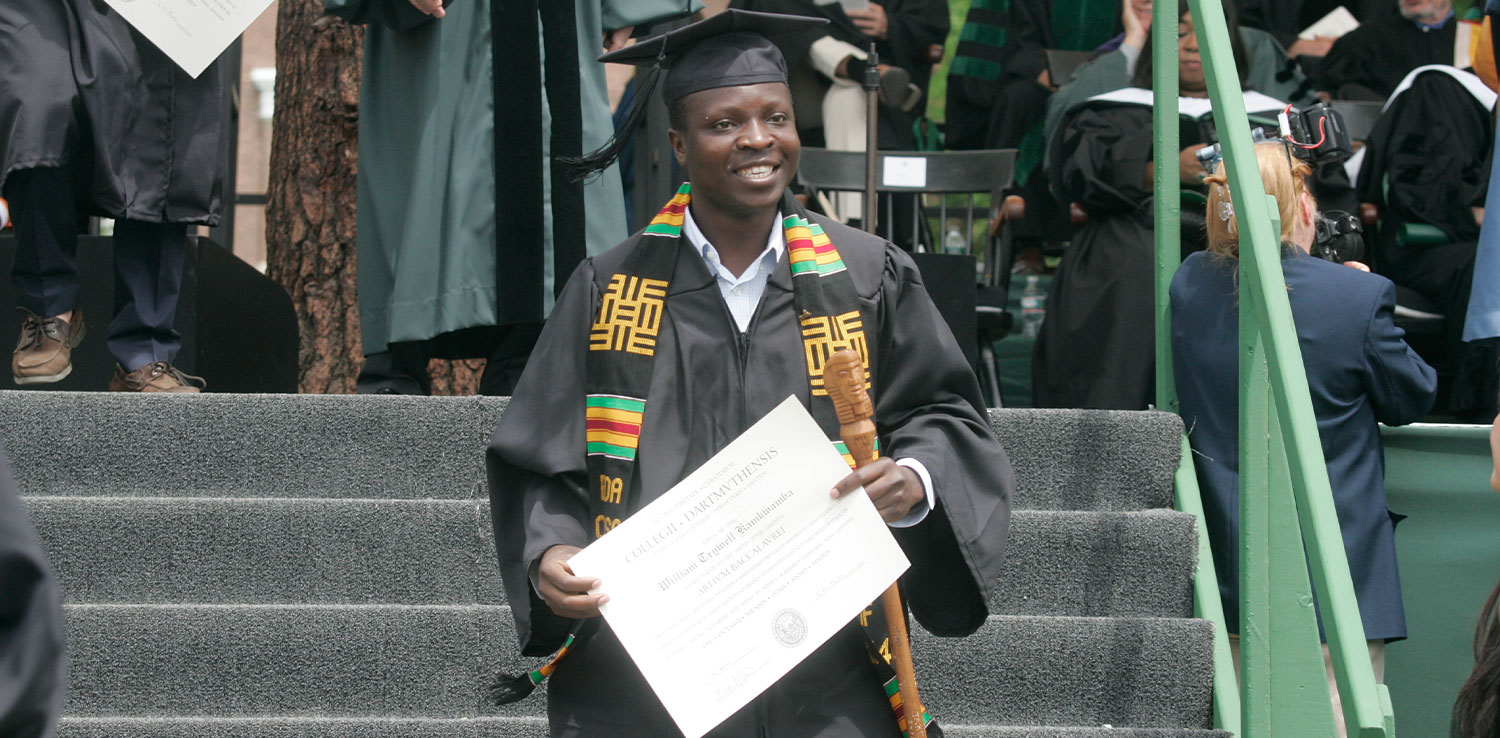
“Challenges are not made for me to stop dreaming. They exist to make me stronger in reaching for my dreams,” said William.
His inspiring story is documented in an autobiography published by the New York Times, titled “The Boy Who Harnessed the Wind”. It is now also adapted to a movie with the same title, produced by Netflix. William Kamkwamba’s story, as a book and a movie, is a success story that inspires youth all over the world to keep learning no matter what.
Translator and Editor: Nazalea Kusuma
To read the original version of this article in Indonesian, click here.

Zia Ul Haq
Zia is a Reporter at Green Network Asia. He graduated from UIN Sunan Kalijaga Yogyakarta with a bachelor's degree in Islamic Education. He is currently a Learning Companion at Qaryah Thayyibah Learning Community (KBQT).
YOUR TITLE FOR CONDITION 1
YOUR BODY TEXT FOR CONDITION 1
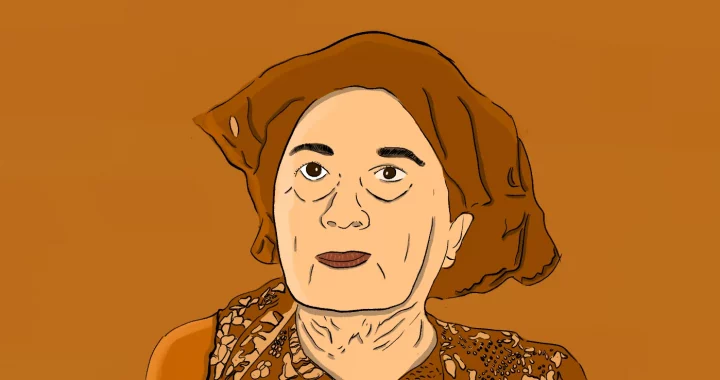 Ruhana Kuddus Fought for the Emancipation of Indonesian Women through Journalism and Education
 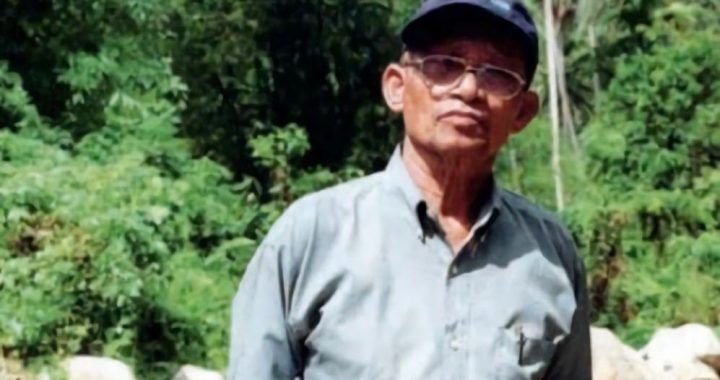 Kasim Arifin’s 15 Years of Service in Waimital as a University Student
  Ramveer Tanwar ‘Resurrects’ the Dead Lakes of India
  Zhang Junping’s Sisyphean Task: from Abandoned Mines to Green Paradise
  Tetsu Nakamura Flowed Life Back to the Valley of Death
  Rebirth of a Forest: 25 Years of Sadiman’s Trees
  Test Custom Feature Image
  Test premium post
  Electric Vehicles Roam the Roads of Kenya