Skip to content
Wed. Sep 23rd, 2026
  • About
  • Partner with Us
  • Press Release Guidelines
  • Op-ed Guidelines
  • Indonesia
Primary Menu
  • Home
  • Latest
  • News
  • Rilis
  • Brief
  • Interview
  • Opinion
  • Figure
  • Youth
  • SDGs
  • Topics
  • #LetterfromtheFounder
  • Membership Levels
  • Membership Account
  • Your Profile
  • Log In
  • Membership Account
  • Your Profile
  • Membership Levels
  • Membership Invoice
  • Membership Billing
  • public-menu
    • NewsInformative and light. Bringing you stories from events, developments, innovations, policies, programs, good practices, reports, research findings, conferences, and movements in governments, businesses, and civil society in the Asia Pacific and beyond through evergreen soft news.
    • Rilis
  • Home
  • Interview
  • How Veterinarian Sugeng Dwi Hastono Takes Care of Sumatran Wildlife and How We Can Help
  • Interview

How Veterinarian Sugeng Dwi Hastono Takes Care of Sumatran Wildlife and How We Can Help
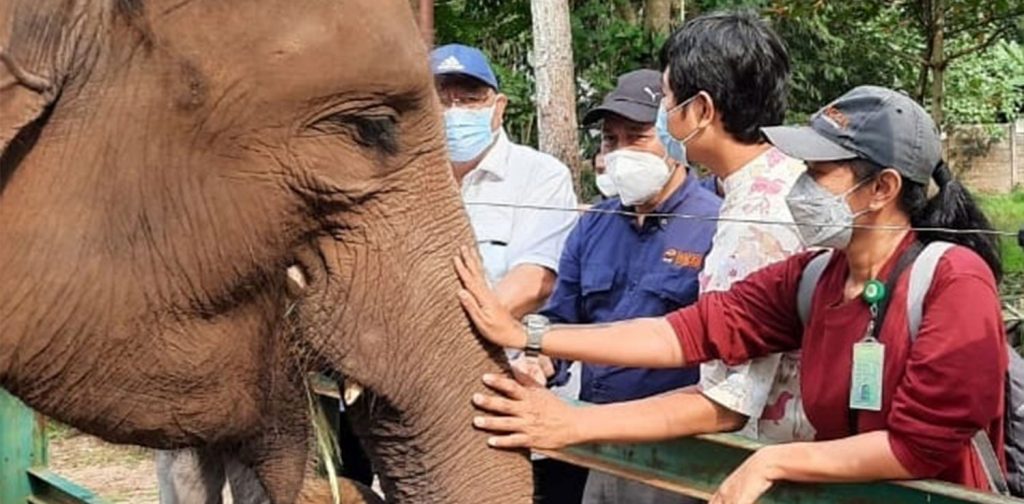
"The bottom line of wildlife conservation is that wildlife belongs in the forests and humans belong in cities and villages, and nobody should cross that line."
by Nazalea Kusuma 5 years ago 13 min read
Dr. Sugeng and his team are working together with government to manage the wildlife conservation.

Dr. Sugeng with his team after a discussion about wildlife conservation.

Animals are a critical part of our biodiversity. In pursuing a better future, our biodiversity must not be left behind. Animal welfare is a big part of the United Nations’ Sustainable Development Goals. Goal 15 is to protect, restore and promote sustainable use of terrestrial ecosystems, sustainably manage forests, combat desertification, and halt and reverse land degradation and halt biodiversity loss. Though we all need to do our part, veterinarians are no doubt a key element.

On Saturday (8/28), Green Network interviewed veterinarian Sugeng Dwi Hastono via Zoom. Familiarly called Dr. Sugeng, he is a veterinarian based in Natar, Lampung, Indonesia. He earned his Doctor of Veterinary Medicine from the Faculty of Veterinary Medicine Universitas Gadjah Mada in 2002. Since then, Dr. Sugeng has been active in the field.

Dr. Sugeng opened his private practice in 2009, intending to work with all species, including pets, wildlife, exotic animals, and others. He took, and still takes, the necessary training and additional workshops to round out his knowledge in all species of animals. Dr. Sugeng named his private practice Amanah Veterinary Service in 2011.

Besides his private practice, Dr. Sugeng is also a part of the Assessment Institute for Foods, Drugs, and Cosmetics Majelis Ulama Indonesia (LPPOM MUI) Lampung. He often gets called to share his knowledge and insight through training, seminars, workshops, and talks. As of this semester, he is also an adjunct lecturer at Universitas Gadjah Mada.

Today, we would like to highlight Dr. Sugeng’s contribution and insight on human-wildlife conflict management and wildlife conservation. He has over a decade of experience in taking care of wildlife across Sumatra, Indonesia.
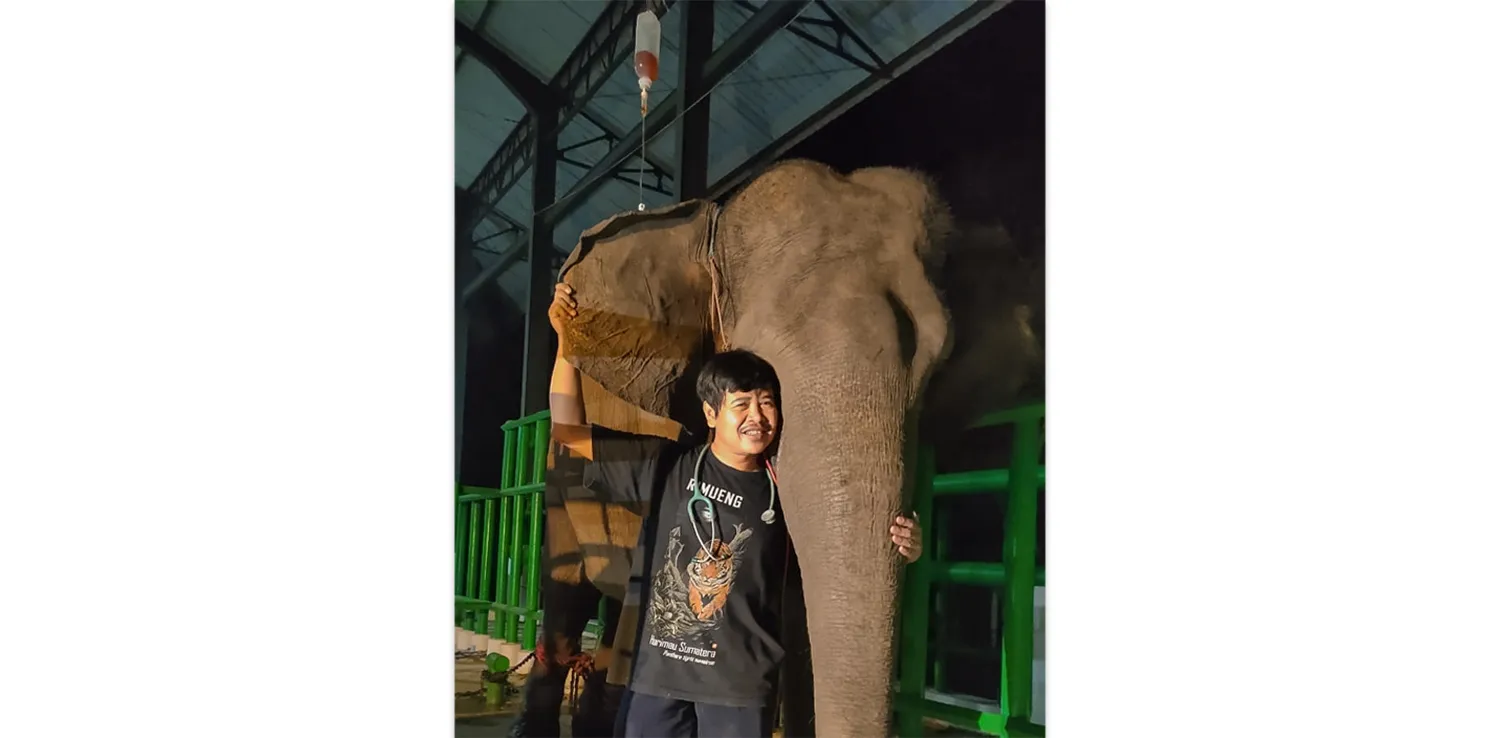
Photo by Amanah Veterinary Services.

FAO (Food and Agriculture Organization of the United Nations) defines human and wildlife conflict as any human and wildlife interaction which results in negative effects on human social, economic, or cultural life, on wildlife conservation, or on the environment. Dr. Sugeng shared that as per Indonesia’s Ministerial Regulations No. 48 and 53 from 2008, a veterinarian leads all operations in human-wildlife conflicts.

What constitutes a human-wildlife conflict? Please share with us the general overview.

A human-wildlife conflict must consist of humans, wildlife, and their environment or habitats. It might result in wildlife, human, or property casualties. For instance, wildlife going into a human’s living area or settlement. That populated area could be an actual land intended for humans or a part of the forest that has had a functional shift.

For example, an elephant caught in a trap is not a human-wildlife conflict but a victim of hunting activities. A human-wildlife conflict would be when an old elephant – because elephants live long – goes back to an area that used to be their playground or full of food sources, but today, it is a village full of humans, houses, and farms.

Generally, the main goal of human-wildlife conflict management is to save humans without sacrificing wildlife. Personally, as I am a veterinarian, my priority is the wildlife.

How do you know where and when to go?

I receive calls from National Parks, conservation centers, Non-Governmental Organizations, and even the Ministry of Environment and Forestry of The Republic of Indonesia when the case is very important. Of course, there’s bureaucracy, too. To enter National Parks, we need a permit called SIMAKSI.

Sometimes it’s for medical emergencies, general check-ups, translocations, or educating the locals; other times, it’s to lead an operational team for conflict management.
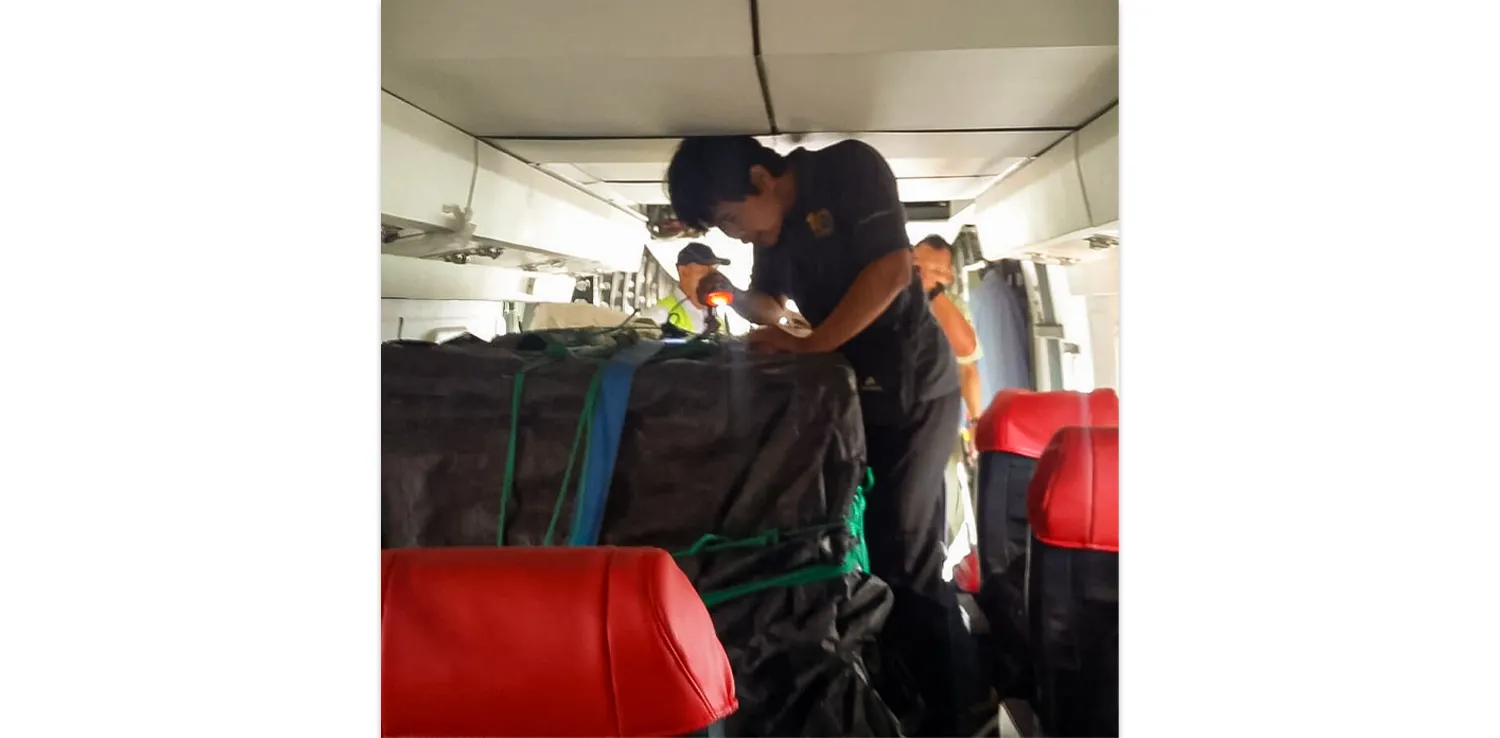
Photo by Amanah Veterinary Services.

Can you tell us a story of one of the most memorable operations you have completed?

In 2015, there was a Sumatran tiger sighting behind a bank in Wonosobo, Tanggamus. The villagers thought it was siluman, a person supernaturally masquerading as a tiger to steal money. I first received a call at 10 AM, but I had another obligation all day. I finally left at 5 PM and arrived at the location at 8 PM. After eating, planning, and active movement, the tiger was evacuated safely after midnight at 1 AM.

The tiger had gone into people’s houses. It entered someone’s kitchen by breaking windows. This conflict happened in a highly-populated area. There was also added chaos because people from that village and nearby villages were curious and came to watch. This was a full-blown operation involving the military and police force.

From your extensive experience, what problems have you noted that can be improved for better wildlife welfare?

It is the connection from the remote government to the central government. I am not saying they are bad at communicating. The problem is more on the technical side. Communication technology-wise, it is hard to relay reliable information in time from remote locations because there is no cell signal, let alone the internet. Transport to reach those areas is also challenging because the roads are bad with complicated routes and limited vehicle options.

Those things are crucial for time-sensitive situations and still important for less urgent situations. When I went to South Bukit Barisan National Park to educate the locals, I experienced those things, making things harder. Improvement in communication technology and transport is recommended.

Is there anything else?

I think the lack of veterinarians who specialize in wildlife also makes things more difficult. I have seen conservation centers with so many animals but only one veterinarian in charge.

How can we solve that problem?

One solution is to give general and basic training on wildlife to local veterinarians in select locations where wildlife problems likely occur. This is done to utilize existing human resources; so they can help properly and hold the ground until wildlife experts can come. For example, I gave training for veterinarians in Bengkulu/Palembang area on how to treat wildlife back in January 2020 before the COVID-19 pandemic.
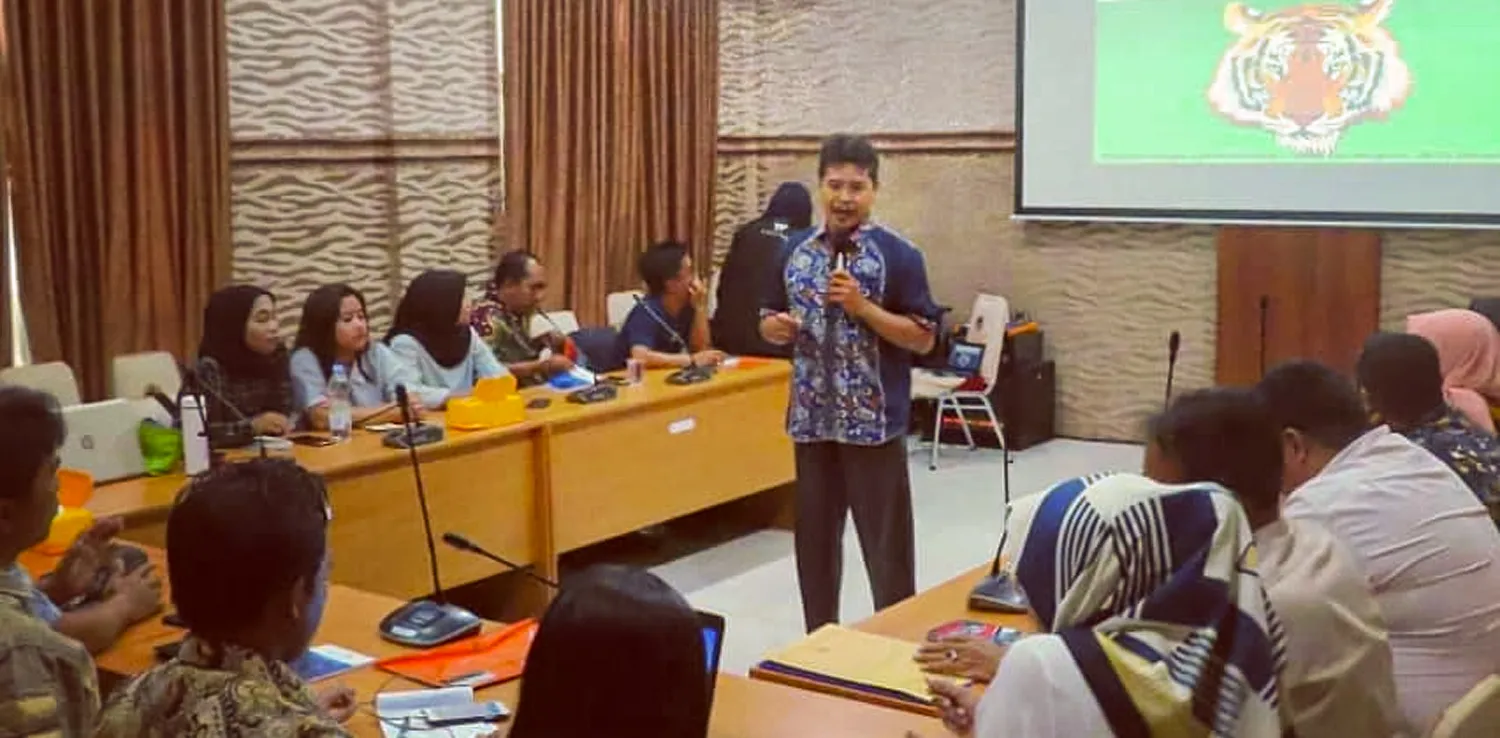
Photo by Amanah Veterinary Services.

Networking is also essential to enable knowledge sharing. I am a part of Asliqewan, an association of Indonesian veterinarians for wildlife, aquatic, and exotic animals. I think everyone in veterinary medicine should be able to ask around when specific expertise is needed. Recently, I received a call asking for assistance in the technical knowledge for the posthumous treatment of dead Sumatran tigers in the northern part of Sumatra, including how to do an autopsy properly.

Would you please share your insight on wildlife conservation? Why is it important? What is the principle?

For me, the bottom line of wildlife conservation is that wildlife belongs in the forests and humans belong in cities and villages, and nobody should cross that line. “Crossing that line” could be building houses and villages on forest land, hunting wildlife for their body parts, and taking wildlife as pets.

There is a risk of zoonosis in taking wildlife as pets. Zoonosis is an infectious disease from a non-human animal that gets passed on to humans. For example, when people buy monkeys or other primates to be their pets, many diseases can be passed on to humans.

Even if the belief is that forests exist only to fulfill human needs, we must remember that those needs do include not only resources and entertainment but also education and conservation. It is in our best interest to conserve wildlife and its habitat so we as humans can know and see their existence and learn from them. I have never even seen Javan tigers that went extinct in 1980, let alone Bali tigers that went extinct in 1925, and that’s too bad.

It is especially imperative in Sumatra. Sumatra has endemic wildlife such as Sumatran tigers, Sumatran elephants, Sumatran rhinos, and others, so we really must do our best. What if our grandchildren will not know of Sumatran tigers? What if Sumatran tigers no longer exist in Sumatra, so we have to ask institutions from other countries to see a Sumatran tiger?

What recommendations can you give the government to improve their effort in wildlife conservation and human-wildlife conflict management?

As I have mentioned before, fixing the communication technology and transport problem is critical. Another recommendation would be better regulation and stricter enforcement of land use laws, especially around forests and national parks.

What about regular people? How can we help?

Report! It is so easy yet so effective. If you see any postings on social media about selling or looking for wildlife ‘pets’, please immediately report them to local authorities. That is easy to do these days because local police departments and rescue organizations have Instagram accounts and other direct lines, so you can simply do your part from your room. This is a simple but crucial step because the authority cannot see everything all at once.

Additionally, being mindful and reducing our use of plastic and wood is good. Reducing plastic use is important because plastics can be brought to wildlife habitats and threaten their lives with their shapes and longevity. When using woods, please keep in mind that it is better to trace back its origins and make sure it is not woods planted in protected areas.
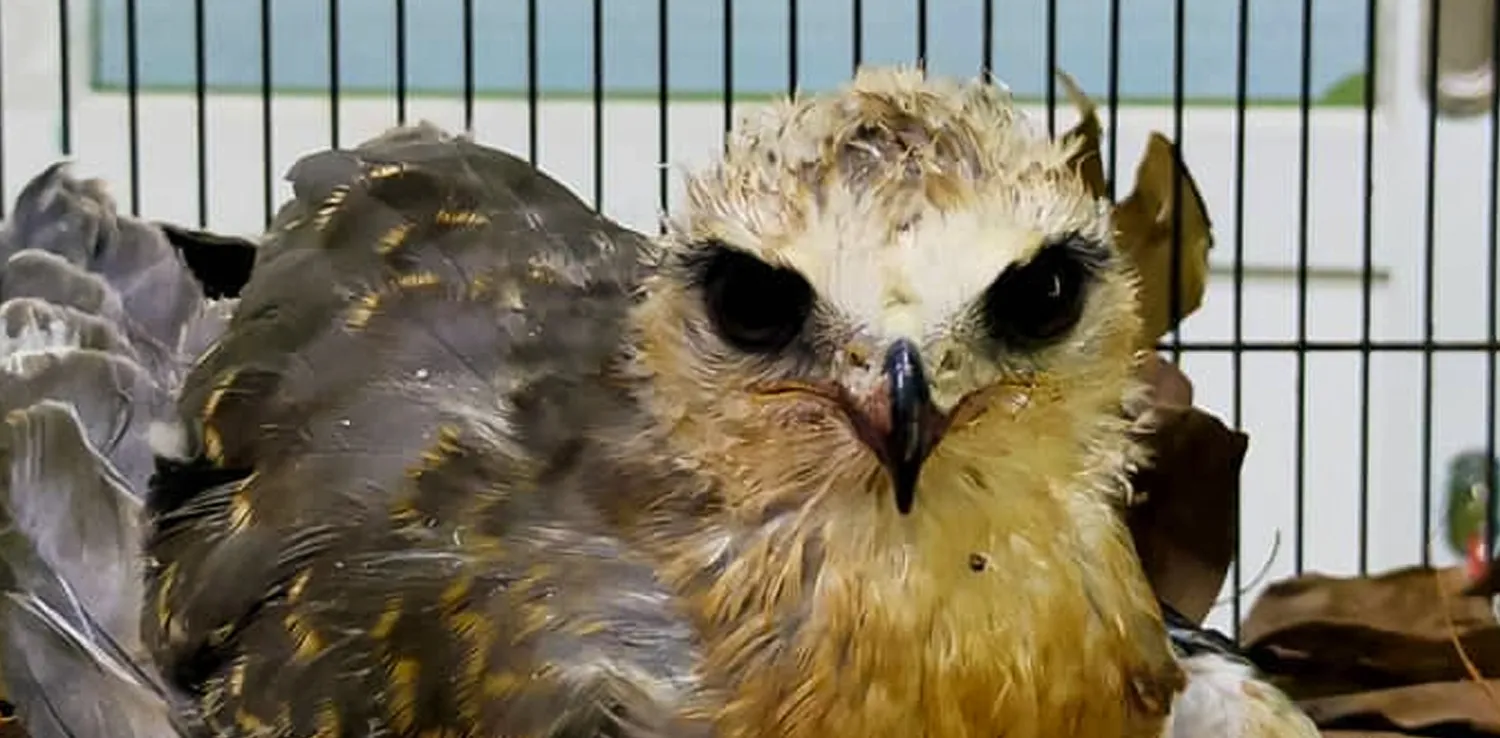
Photo by Amanah Veterinary Services.

Do you have other general recommendations to mitigate and minimize human-wildlife conflicts and improve wildlife conservation?

Preventing forest encroachment is the first thing that comes to mind for the obvious reason that forests are their habitats.

Educating people is essential. First, educating locals on how to mitigate the conflict—sharing the knowledge on, for example, what to do when they see a tiger on the street and avoid shooting or poisoning them. Second, educating children. Children are our future. Teaching the importance of animal welfare should start early. It is often harder to educate and convince the adults who are already active participants in hunting or illegal trafficking, but children are our hope. Third, educating city people, too. Often, they are the market. They are the ones who ask for ‘pets’ from the forests. When hunters lay traps, endangered animals could be the ones getting trapped instead.

Another thing is an emphasis on stopping hunting activities. This includes hunting for illegal trafficking and hunting to get rid of pests. For example, villagers killing off boars because they are pests for their farms is a dangerous practice. Boars are important to the ecosystem because boars are food for bigger, carnivorous animals. When they do not have enough food sources, they will come out of the forests to look for food, leading to human-wildlife conflict.

Thank you so much for your insight and stories. Do you have any closing messages?

There needs to be synergy from all sectors in wildlife conservation. We need a collective awareness to take care of our Earth. We cannot look at things from just one way or for a short term. When making decisions, we must consider all angles.

For instance, to limit fossil fuel use, people turn to geothermal. What happens when the geothermal source is in the middle of a forest? We need to consider factors like how the forest is a habitat for wildlife and home for other biodiversity elements and how the roads that need to be built to reach the location take up land.

Another example is how forests in Kalimantan turn into palm tree plantations, citing community prosperity. Which community does it empower? What happens to our oxygen supply? What about the wildlife? Are we looking into the future?

From an Islamic perspective, it is said that God created nature so humans can benefit from it. That is true. Still, we must remember that taking benefits from nature does not mean exploiting and destroying it.

Editor: Marlis Afridah

Nazalea Kusuma
Managing Editor at Green Network Asia | Website |  + postsBio

Naz is the Manager of International Digital Publications at Green Network Asia. She is an experienced and passionate writer, editor, proofreader, translator, and creative designer with over a decade of portfolio. Her history of living in multiple areas across Southeast Asia and studying Urban and Regional Planning exposed her to diverse peoples and cultures, enriching her perspectives and sharpening her intersectionality mindset in her storytelling and advocacy on sustainability-related issues and sustainable development.

  • Nazalea Kusuma
    Electric Vehicles Roam the Roads of Kenya
  • Nazalea Kusuma
    5 Food System Actors That Have Taken the 123 Pledge to Reduce Food Loss & Waste
  • Nazalea Kusuma
    The Potential and Power of K-pop Fandoms as Global Communities
  • Nazalea Kusuma
    Lebanon’s Education Crisis Is Not Getting Better
  • Nazalea Kusuma
    Reviving Kazakhstan’s Prehistoric Ecosystems, the Golden Steppe
  • Nazalea Kusuma
    Dugongs & Friends: Abu Dhabi’s Marine and Coastal Restoration Efforts
  • Nazalea Kusuma
    Glass Onion: Layers of Hydrogen Energy
  • Nazalea Kusuma
    Three Tips for a More Sustainable Gift-Giving
  • Nazalea Kusuma
    How Schools Can Bring Change with Sustainability Education and Program
  • Nazalea Kusuma
    Balancing Human Rights and Climate Change
  • Nazalea Kusuma
    Fitzroy Island Nursery Coral Spawning Sparks Hope for the Great Barrier Reef
  • Nazalea Kusuma
    ASEAN Seeks a Safer Digital World for Children
  • Nazalea Kusuma
    Indonesia Adds Free Pneumonia Vaccine into the Children Immunization Program
  • Nazalea Kusuma
    Addressing Statelessness in the Climate Crisis
  • Nazalea Kusuma
    Investing $1 Billion in Climate Action Projects in the Global South
  • Nazalea Kusuma
    How We Are Connected and Divided in the Internet Age
  • Nazalea Kusuma
    Living on the Edge: Asian Elephants Need Human-Wildlife Conflict Management
  • Nazalea Kusuma
    Four Nations Team Up to Manage Chemical Waste in Textile Production
  • Nazalea Kusuma
    Sydney Sets New Development Standards Towards Net-Zero Buildings
  • Nazalea Kusuma
    Rethinking Agrifood Policies for Healthy Diets for Everyone
  • Nazalea Kusuma
    Balance or Burn: Taking Care of Your Mental Health at Work
  • Nazalea Kusuma
    Protecting the Rights of Persons with Disabilities in Climate Change Policies
  • Nazalea Kusuma
    Transforming Teachers and the Education Workforce System
  • Nazalea Kusuma
    What Saying Goodbye to Coal Means for Hawaii’s Clean Energy Transition
  • Nazalea Kusuma
    Corruption at the Roots of Cambodia’s Deforestation
  • Nazalea Kusuma
    Youth Declaration: Meaningful Engagement of Young People in Transforming Education
  • Nazalea Kusuma
    Bali Grows Arms for Stronger Economic Recovery
  • Nazalea Kusuma
    Queen Victoria Market’s Paths to Sustainability
  • Nazalea Kusuma
    Developing Sustainable Urban Farming in Singapore
  • Nazalea Kusuma
    Bigger is Better: Scaling Up the Great Pacific Garbage Patch Cleanup
  • Nazalea Kusuma
    How to Provide Childcare during Humanitarian Crises
  • Nazalea Kusuma
    An Introduction to Harm Reduction
  • Nazalea Kusuma
    What Melting Glaciers Mean for Pakistan
  • Nazalea Kusuma
    Addressing the Threats of Coastal Floodings and Sinking Cities
  • Nazalea Kusuma
    Australia’s Biodiversity Is Declining
  • Nazalea Kusuma
    The Rough Patch of India’s Plastic Ban
  • Nazalea Kusuma
    Experts Offer Insights on the Sustainable Use of 50,000 Wild Species
  • Nazalea Kusuma
    How Global Poverty and Hunger Look Like Now
  • Nazalea Kusuma
    Rihanna’s Clara Lionel Foundation for Climate Justice
  • Nazalea Kusuma
    My Neighbor Totoro Inspires the Tokorozawa City Campaign for Forest Preservation
  • Nazalea Kusuma
    Jakarta’s Struggle Against Poor Air Quality
  • Nazalea Kusuma
    Four-Day Working Week for Thousands of UK Workers Has Begun
  • Nazalea Kusuma
    How Cities Can Prepare for Extreme Heatwaves
  • Nazalea Kusuma
    A Survivor’s Story Becomes a Wakeup Call for Change on Nepal’s Rape Laws
  • Nazalea Kusuma
    FIFA World Cup Qatar 2022: Explaining the Migrant Worker Abuse and Greenwashing Issues
  • Nazalea Kusuma
    FIFA World Cup Qatar 2022: Strategy for Sustainability Legacy
  • Nazalea Kusuma
    Al-Barakeh Wheat for Jordan’s Food Sovereignty and Heritage
  • Nazalea Kusuma
    Grab ESG Report 2021: Performance Review and New Sustainability Commitments
  • Nazalea Kusuma
    Grab, Growth, and Greenhouse Gas Emissions
  • Nazalea Kusuma
    The Planet May Reach a New Temperature Peak in the Next Five Years
  • Nazalea Kusuma
    How a Bookshop in Gaza Came Back to Life
  • Nazalea Kusuma
    Palm Oil & Sustainability in Indonesia: Export Ban and Call for Reform
  • Nazalea Kusuma
    India Integrates Solar Energy into New Delhi Electricity Supply with Shakti Microgrid
  • Nazalea Kusuma
    Dreamcatcher’s Maison: Climate Change and Greenwashing in Music
  • Nazalea Kusuma
    Sustainability Isn’t All Environment. Then, What Is It All About?
  • Nazalea Kusuma
    The Road to a More Sustainable Fashion Scene in New York
  • Nazalea Kusuma
    New Energy Nexus Supports Indonesian Startups for Clean Energy with Equity
  • Nazalea Kusuma
    Protecting Indonesian Domestic Migrant Workers in Malaysia Through Renewed Agreement
  • Nazalea Kusuma
    Asia-Pacific’s Uphill Battle for Sustainable Development
  • Nazalea Kusuma
    Singapore Aims for Sustainable Tourism with Hotel Sustainability Roadmap
  • Nazalea Kusuma
    The Lawsuit for Clean Air Against the Thailand Government
  • Nazalea Kusuma
    Becoming Young Leaders for a Better Future
  • Nazalea Kusuma
    W20 Indonesia for Equality and Inclusive Economy
  • Nazalea Kusuma
    How MNCs Can Thrive Towards Sustainable Supply Chain
  • Nazalea Kusuma
    Hair vs. Oil Spill, for the Environment
  • Nazalea Kusuma
    Agrotechnology Innovations for Zero Hunger
  • Nazalea Kusuma
    Preparing Businesses for a Greener Industry with Knowledge and Technology
  • Nazalea Kusuma
    UK Students Want Sustainability in Education and Future Work
  • Nazalea Kusuma
    Levi’s New Jeans Are Old
  • Nazalea Kusuma
    Exploring the Role of Food and Women in Sustainability Education for All with Sustainability Scool
  • Nazalea Kusuma
    Stories in the Time of Climate Crisis
  • Nazalea Kusuma
    UN-Habitat in 2022: WUF11 and Other Updates for Sustainable Urban Development
  • Nazalea Kusuma
    Indonesian Youth Launched Y20 Indonesia 2022 White Paper
  • Nazalea Kusuma
    The Global Schools Launched a Case-Study Guidebook for Education for Sustainable Development
  • Nazalea Kusuma
    The Global Risk Report Warns of a World Divided
  • Nazalea Kusuma
    The Idea Bank of G20 Summit 2022, T20 Indonesia
  • Nazalea Kusuma
    The Fatigue of Personal Responsibility in Fighting Climate Change
  • Nazalea Kusuma
    The Atacama Desert Clothing Graveyard: Facing Overproduction in Fashion
  • Nazalea Kusuma
    New IEA Report on the Growth, Forecasts, and Challenges of Renewable Energy
  • Nazalea Kusuma
    India’s 127 Tiger Deaths in 2021: Alarming or Recovering?
  • Nazalea Kusuma
    Changing the Workplace System: How to Create Decent Work for All
  • Nazalea Kusuma
    Youth Festival for Climate and Humanity: Real Actions by Indonesian Youth Leaders
  • Nazalea Kusuma
    Launching Beyond Moringa Indonesia for People and the Planet
  • Nazalea Kusuma
    Kasim Arifin’s 15 Years of Service in Waimital as a University Student
  • Nazalea Kusuma
    Discussing Inclusive Funding at SDGs Conference Indonesia 2021
  • Nazalea Kusuma
    An Urgency for Climate Justice Created the People’s Summit
  • Nazalea Kusuma
    Children Bounce Back: Addressing the Overlooked Issue in Reopening Schools
  • Nazalea Kusuma
    CINTABILITAS, a Campaign for Inclusive Public Transportation in Indonesia
  • Nazalea Kusuma
    Meet Youthtopia, a Learning Ecosystem for Youth and Host of Younite 2021
  • Nazalea Kusuma
    Running for Clean Water in East Nusa Tenggara with Plan Indonesia and Jelajah Timur
  • Nazalea Kusuma
    How Indonesia Could Shift to a Green & Inclusive Economy
  • Nazalea Kusuma
    Bringing the Global Goals to Indonesian Villages with ‘SDGs Desa’
  • Nazalea Kusuma
    IBCSD Engages Indonesian Businesses in Sustainable Development
  • Nazalea Kusuma
    Meet the C20 Leader of Indonesia’s G20 Presidency, INFID
  • Nazalea Kusuma
    Can Beauty Go Green? – A New Educational Campaign by Garnier
  • Nazalea Kusuma
    Inclusive Dialogues at the Food Systems Summit 2021
  • Nazalea Kusuma
    “It’s Not Over Until It’s Over”: Youth in Action at SDG Moment 2021
  • Nazalea Kusuma
    “It’s Not Over Until It’s Over”: Youth and Hope at SDG Moment 2021
  • Nazalea Kusuma
    International Forum on Spice Route: From History to Innovation and Intercultural Understanding
  • Nazalea Kusuma
    The Skills We Need for the Future of Jobs in Sustainable Development
  • Nazalea Kusuma
    Am I Suicidal?
  • Nazalea Kusuma
    Sex Education for the Monks and Nuns of Bhutan
  • Nazalea Kusuma
    On Buying Locally, Sourcing Locally, and Consuming Critically
  • Nazalea Kusuma
    Sungai Watch Reached the 100th Barrier Milestone in Protecting Our Rivers
  • Nazalea Kusuma
    Cross-Generational Mental Health Awareness: The Youth Needs You
  • Nazalea Kusuma
    IPCC New Report Calls for Strong and Immediate Action to Limit Irreversible Climate Change Effects
  • Nazalea Kusuma
    Grab Declares a Commitment to Sustainability with Its First ESG Report and New Green Initiatives
  • Nazalea Kusuma
    The Tokyo 2020 Olympics Bubble (2): Sustainability Criticisms and COVID-19
  • Nazalea Kusuma
    The Tokyo 2020 Olympics Bubble (1): Sustainability in Design
  • Nazalea Kusuma
    Maginhawa Community Pantry in the Philippines: A New Hope
  • Nazalea Kusuma
    Korean New Deal 2.0 and BTS: South Korea’s Strategy to Become a Leading Nation in the Post-Coronavirus Era
  • Nazalea Kusuma
    School of Global Madani Creates Green Habits in Students’ Life
  • Nazalea Kusuma
    HAkA’s Work in Saving the Irreplaceable Leuser Ecosystem
  • Nazalea Kusuma
    ILO Supports 50 Countries Through Decent Work Country Programmes
  • Nazalea Kusuma
    Pertamina’s Road to Green Energy in Making Indonesia 4.0
  • Nazalea Kusuma
    Zhang Junping’s Sisyphean Task: from Abandoned Mines to Green Paradise
  • Nazalea Kusuma
    How Unilever Transforms Its Business with Unilever Sustainable Living Plan
  • Nazalea Kusuma
    Building a Sustainable Plant-Based Food System with Upfield
  • Nazalea Kusuma
    UOB’s Green Umbrella Frameworks Support the Singapore Green Plan 2030
  • Nazalea Kusuma
    Asian Development Bank’s Efforts on Agriculture and Food Security in Asia and The Pacific
  • Nazalea Kusuma
    Tetsu Nakamura Flowed Life Back to the Valley of Death
  • Nazalea Kusuma
    Rebirth of a Forest: 25 Years of Sadiman’s Trees
Green Network Asia

YOUR TITLE FOR CONDITION 1

YOUR BODY TEXT FOR CONDITION 1

YOUR BUTTON 1 TEXT YOUR BUTTON 2 TEXT

Continue Reading

Previous: Public Health Expert Professor Tikki Pangestu: Vaccination Coverage is Key to Managing the COVID-19 Pandemic
Next: Young Farmers, Institutions, and Indonesian Food Security

Related Stories

Abigail Lovell, Chief Sustainability Officer of Experian. Inside Experian’s Sustainability Journey: An Interview with Chief Sustainability Officer Abigail Lovell 7 min read

  • Featured
  • Interview

Inside Experian’s Sustainability Journey: An Interview with Chief Sustainability Officer Abigail Lovell

by Marlis Afridah 4 years ago
David Croft, Global Head of Sustainability at Reckitt. Thinking Through Product Life Cycle and Good Practices for Sustainability: An Interview with David Croft from Reckitt 6 min read

  • Featured
  • Interview

Thinking Through Product Life Cycle and Good Practices for Sustainability: An Interview with David Croft from Reckitt

by Lalita Fitrianti 4 years ago
Portrait of Lauren Blasco, Principal - Head of ESG at AC Ventures AC Ventures: ESG and Impact Investing in Southeast Asian Startups 9 min read

  • Featured
  • Interview

AC Ventures: ESG and Impact Investing in Southeast Asian Startups

by Lalita Fitrianti and Marlis Afridah 4 years ago
three men and one woman posing together closely in purple jendela Papua t-shirts, The four winners of Jendela Papua project Jendela Papua: Reflection of Us, Papua, and Indonesia, for the World 9 min read
  • Featured
  • Interview

Jendela Papua: Reflection of Us, Papua, and Indonesia, for the World

by Aliyah Assegaf 5 years ago
four hijabi women and one child around a stove and several bowls Exploring the Role of Food and Women in Sustainability Education for All with Sustainability Scool 11 min read
  • Featured
  • Interview

Exploring the Role of Food and Women in Sustainability Education for All with Sustainability Scool

by Nazalea Kusuma 5 years ago
Sakola Wanno in Conserving the Nature and Culture of Sumba Island 6 min read
  • Featured
  • Interview

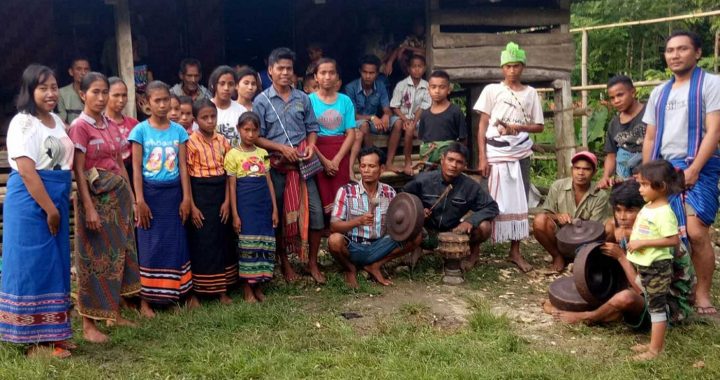
Sakola Wanno in Conserving the Nature and Culture of Sumba Island

by Zia Ul Haq 5 years ago

You may have missed

Test Custom Feature Image 1 min read
  • News

Test Custom Feature Image

by Ahmad Bagwi Rifai 12 months ago
a quite large body of water covered with yellow algae under blue skies Test premium post 1 min read
  • Brief

Test premium post

by Ahmad Bagwi Rifai 2 years ago
Test Artikel Free 2 min read
  • Rilis

Test Artikel Free

by Ahmad Bagwi Rifai 3 years ago
a blue roam rapid mass transit bus Electric Vehicles Roam the Roads of Kenya 1 min read
  • Featured
  • News

Electric Vehicles Roam the Roads of Kenya

by Nazalea Kusuma 4 years ago
  • Terms of Service
  • Privacy Policy
  • FAQ
  • Contact Us
  • Facebook
  • Instagram
  • Twitter
  • LinkedIn
  • YouTube
  • Spotify
  • Pinterest
  • Telegram
  • Etsy
  • Tokopedia
  • Media Link 11
  • Media Link 12
  • Media Link 13
  • Media Link 14
  • Media Link 15
Copyright © All rights reserved.