Skip to content
Sat. Oct 10th, 2026
  • About
  • Partner with Us
  • Press Release Guidelines
  • Op-ed Guidelines
  • Indonesia
Primary Menu
  • Home
  • Latest
  • News
  • Rilis
  • Brief
  • Interview
  • Opinion
  • Figure
  • Youth
  • SDGs
  • Topics
  • #LetterfromtheFounder
  • Membership Levels
  • Membership Account
  • Your Profile
  • Log In
  • Membership Account
  • Your Profile
  • Membership Levels
  • Membership Invoice
  • Membership Billing
  • public-menu
    • NewsInformative and light. Bringing you stories from events, developments, innovations, policies, programs, good practices, reports, research findings, conferences, and movements in governments, businesses, and civil society in the Asia Pacific and beyond through evergreen soft news.
    • Rilis
  • Home
  • Featured
  • An Introduction to Harm Reduction
  • Brief
  • Featured
  • Partner

An Introduction to Harm Reduction
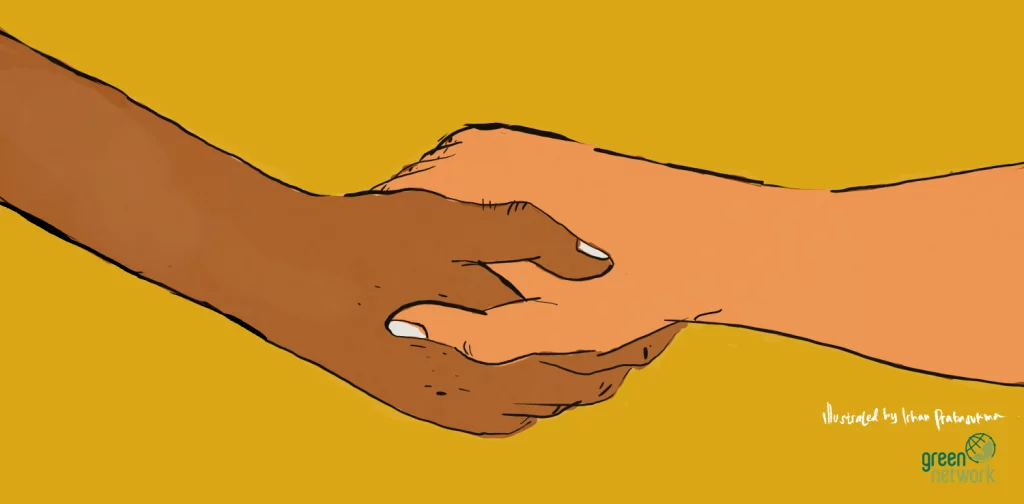
Harm Reduction refers to policies, programs, and practices developed to reduce harm by minimizing adverse health, social, legal, economic, and even environmental consequences of human behaviors and activities.
by Marlis Afridah and Nazalea Kusuma 4 years ago 10 min read
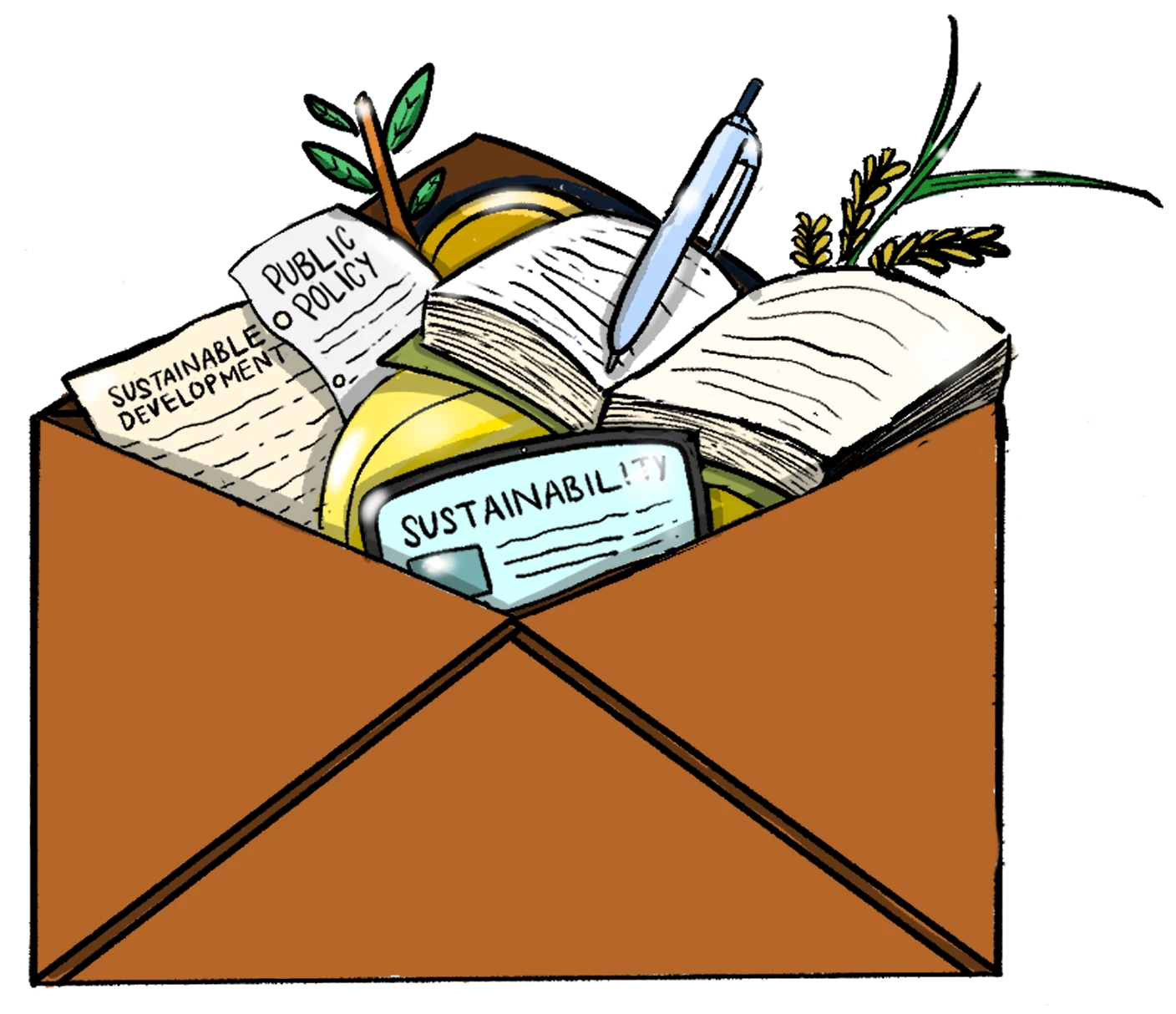
The illustration of Harm Reduction with the fundamental purpose of upholding the safety and dignity of all people.

The illustration of Harm Reduction with the fundamental purpose of upholding the safety and dignity of all people.

As human beings, we often aspire for ideal, clear, black-and-white solutions to problems in society. As we learn more about policy challenges, we realize that the world has many complex and difficult issues with solutions that cannot always be delivered in such measures.

In the efforts to create a better and sustainable future for all, we can’t simply wait until we find a way to teleport us to Utopia. Many of us would fall through the cracks while waiting for this perceived perfect solution, and that’s not the better world we’re working toward. The transformative principles of “Human Rights-Based Approach” and “Leave No One Behind” of the 2030 Agenda for Sustainable Development (SDGs) require our commitment to include the most marginalized groups of people in national development planning and initiatives. 

In short, there need to be layers of protection to ‘catch’ those who are likely to ‘fall through the cracks’. Among many public policy interventions, Harm Reduction can act as one of these layers.  

What is Harm Reduction?

There is no single universally fixed definition of Harm Reduction. Just like the literal meaning of the words, Harm Reduction refers to policies, programs, and practices developed to reduce harm by minimizing adverse health, social, legal, economic, and even environmental consequences of human behaviors and activities.

The Harm Reduction approach intends to create positive changes with all stakeholders and people without judgment, discrimination, and coercion as a precondition of support and inclusion. This approach is grounded in the spirit of human rights, social justice, and compassion with the fundamental purpose of upholding the safety and dignity of all people.   

Harm reduction doesn’t eliminate harm; it works by lessening the harm of human behaviors and activities that are not possible to be eliminated entirely. It’s something that’s constantly improving over time and made possible with the advancement of evidence-based scientific research and technological innovations. As a direct and indirect impact of these efforts, the premise of Harm Reduction has expanded from the area of public health to environmental sustainability and beyond. 

Harm Reduction in Daily Life
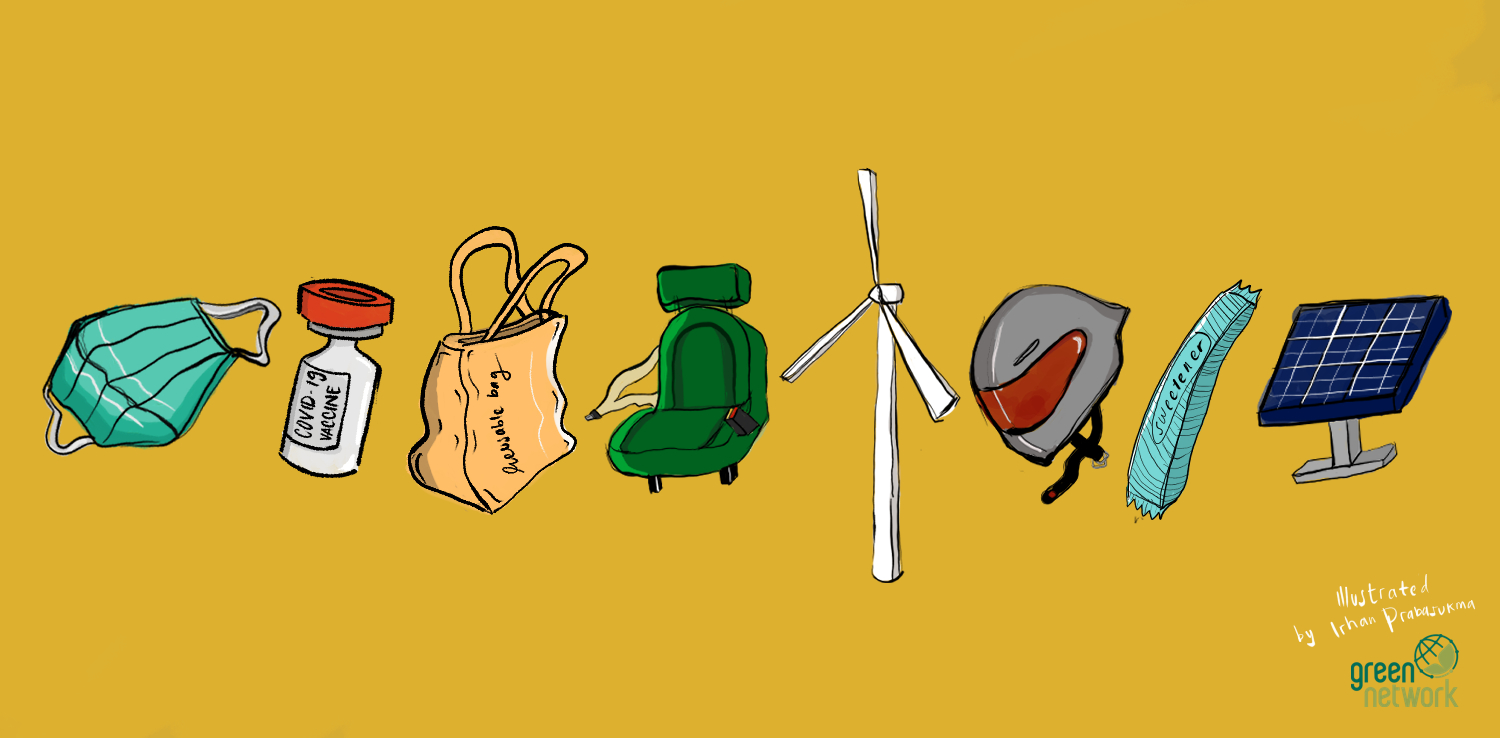
The illustration of various Harm Reduction practices and tools.

Some of us may still be confused about Harm Reduction. While the concept may seem new to many, in reality, we are already familiar with and even embrace it in our daily life. We just haven’t realized that these things, in principle, are Harm Reduction practices and tools, including and are not limited to:

  • Public health – wearing masks and receiving vaccines to reduce the risks of viral and bacterial infections, especially in the COVID-19 pandemic. 
  • Food & beverage – low sodium salt, low-calorie artificial sweeteners as sugar alternatives, and rice with low glycemic index for diabetics.
  • Vehicle safety – seatbelts, airbags, helmets, traffic laws, and regulations.
  • Disaster risk – earthquake alarm, flood predictions, fire drills.
  • Smoking habits – alternative tobacco products, such as heated tobacco products and electric cigarettes, as well as nicotine pouch, patch, and gum.
  • Climate change – renewable energy (electric vehicles, solar panels, etc.) to replace fossil-based energy such as oil, gas, and coal, corporate sustainability and ESG reports, zero-waste lifestyle.

The Importance of Harm Reduction Education

While there has been an increasing number of scientific research on Harm Reduction, the approach is not without scepticism and criticism. Some government agencies, experts, and civil society organizations are worried about the “gateway” effect of the intervention, especially for the youth. Meanwhile, businesses that work on less harmful innovative products cannot yet communicate the science of their innovation in the most accurate messages that uncover the actual value of Harm Reduction.

Misperception from misinformation can be dangerous to all stakeholders and the general public. It might also prevent society from obtaining the value of adopting Harm Reduction. Thus, public education on Harm Reduction based on scientifically proven evidence is necessary. All stakeholders, including governments, businesses, civil society, and media should understand the benefits and challenges of Harm Reduction so that the approach can reach its full potential in solving complex problems and addressing policy dilemmas. 

Moreover, Harm Reduction education also strongly correlates with the right to science, information, and health for everyone, including individual citizens and customers. Armed with the proper education, all of us at an individual level can be aware of all the choices we have and know what and how to ask for better, more inclusive alternatives. 

Harm Reduction can be a middle ground solution to help tackle difficult problems in society and should be incorporated into public policy. At the same time, all stakeholders should also continue the efforts to keep pursuing better solutions to address the roots of the problems through continuous scientific research and development.

Editor: Agung Taufiqurrakhman 
Marlis Afridah
Website | + postsBio

Marlis is the Founder & CEO of Green Network Asia. She holds a master's degree in Public Policy from the Lee Kuan Yew School of Public Policy at the National University of Singapore. She is an interdisciplinary public policy researcher and public affairs practitioner with an integrated focus on sustainability and sustainable development. She brings over a decade of cross-sector professional experience supporting governments, businesses, and civil society across the Asia Pacific and beyond, mainly on policy research and advocacy, government relations, and stakeholder engagement.
  • Marlis Afridah
    Inside Experian’s Sustainability Journey: An Interview with Chief Sustainability Officer Abigail Lovell
  • Marlis Afridah
    Hope and Action: Faith and Religion in the Time of the Climate Crisis
  • Marlis Afridah
    AC Ventures: ESG and Impact Investing in Southeast Asian Startups
  • Marlis Afridah
    How MNCs Can Thrive Towards Sustainable Supply Chain
  • Marlis Afridah
    Nurturing Purpose-Driven and Continuous Learning Cultures in Our Team
  • Marlis Afridah
    Moving Purpose into Action by Creating Shared Value
  • Marlis Afridah
    Public Health Expert Professor Tikki Pangestu: Vaccination Coverage is Key to Managing the COVID-19 Pandemic
  • Marlis Afridah
    A Tribute to Muhammad Arif Tasrif
  • Marlis Afridah
    UNESCAP Supports “Build Back Better” with the National SDG Tracker
  • Marlis Afridah
    Enthusiasts Reclaim Spices’ Cultural Heritage, Launch Spice Hub Indonesia
Nazalea Kusuma
Managing Editor at Green Network Asia | Website | + postsBio

Naz is the Manager of International Digital Publications at Green Network Asia. She is an experienced and passionate writer, editor, proofreader, translator, and creative designer with over a decade of portfolio. Her history of living in multiple areas across Southeast Asia and studying Urban and Regional Planning exposed her to diverse peoples and cultures, enriching her perspectives and sharpening her intersectionality mindset in her storytelling and advocacy on sustainability-related issues and sustainable development.
  • Nazalea Kusuma
    Electric Vehicles Roam the Roads of Kenya
  • Nazalea Kusuma
    5 Food System Actors That Have Taken the 123 Pledge to Reduce Food Loss & Waste
  • Nazalea Kusuma
    The Potential and Power of K-pop Fandoms as Global Communities
  • Nazalea Kusuma
    Lebanon’s Education Crisis Is Not Getting Better
  • Nazalea Kusuma
    Reviving Kazakhstan’s Prehistoric Ecosystems, the Golden Steppe
  • Nazalea Kusuma
    Dugongs & Friends: Abu Dhabi’s Marine and Coastal Restoration Efforts
  • Nazalea Kusuma
    Glass Onion: Layers of Hydrogen Energy
  • Nazalea Kusuma
    Three Tips for a More Sustainable Gift-Giving
  • Nazalea Kusuma
    How Schools Can Bring Change with Sustainability Education and Program
  • Nazalea Kusuma
    Balancing Human Rights and Climate Change
  • Nazalea Kusuma
    Fitzroy Island Nursery Coral Spawning Sparks Hope for the Great Barrier Reef
  • Nazalea Kusuma
    ASEAN Seeks a Safer Digital World for Children
  • Nazalea Kusuma
    Indonesia Adds Free Pneumonia Vaccine into the Children Immunization Program
  • Nazalea Kusuma
    Addressing Statelessness in the Climate Crisis
  • Nazalea Kusuma
    Investing $1 Billion in Climate Action Projects in the Global South
  • Nazalea Kusuma
    How We Are Connected and Divided in the Internet Age
  • Nazalea Kusuma
    Living on the Edge: Asian Elephants Need Human-Wildlife Conflict Management
  • Nazalea Kusuma
    Four Nations Team Up to Manage Chemical Waste in Textile Production
  • Nazalea Kusuma
    Sydney Sets New Development Standards Towards Net-Zero Buildings
  • Nazalea Kusuma
    Rethinking Agrifood Policies for Healthy Diets for Everyone
  • Nazalea Kusuma
    Balance or Burn: Taking Care of Your Mental Health at Work
  • Nazalea Kusuma
    Protecting the Rights of Persons with Disabilities in Climate Change Policies
  • Nazalea Kusuma
    Transforming Teachers and the Education Workforce System
  • Nazalea Kusuma
    What Saying Goodbye to Coal Means for Hawaii’s Clean Energy Transition
  • Nazalea Kusuma
    Corruption at the Roots of Cambodia’s Deforestation
  • Nazalea Kusuma
    Youth Declaration: Meaningful Engagement of Young People in Transforming Education
  • Nazalea Kusuma
    Bali Grows Arms for Stronger Economic Recovery
  • Nazalea Kusuma
    Queen Victoria Market’s Paths to Sustainability
  • Nazalea Kusuma
    Developing Sustainable Urban Farming in Singapore
  • Nazalea Kusuma
    Bigger is Better: Scaling Up the Great Pacific Garbage Patch Cleanup
  • Nazalea Kusuma
    How to Provide Childcare during Humanitarian Crises
  • Nazalea Kusuma
    What Melting Glaciers Mean for Pakistan
  • Nazalea Kusuma
    Addressing the Threats of Coastal Floodings and Sinking Cities
  • Nazalea Kusuma
    Australia’s Biodiversity Is Declining
  • Nazalea Kusuma
    The Rough Patch of India’s Plastic Ban
  • Nazalea Kusuma
    Experts Offer Insights on the Sustainable Use of 50,000 Wild Species
  • Nazalea Kusuma
    How Global Poverty and Hunger Look Like Now
  • Nazalea Kusuma
    Rihanna’s Clara Lionel Foundation for Climate Justice
  • Nazalea Kusuma
    My Neighbor Totoro Inspires the Tokorozawa City Campaign for Forest Preservation
  • Nazalea Kusuma
    Jakarta’s Struggle Against Poor Air Quality
  • Nazalea Kusuma
    Four-Day Working Week for Thousands of UK Workers Has Begun
  • Nazalea Kusuma
    How Cities Can Prepare for Extreme Heatwaves
  • Nazalea Kusuma
    A Survivor’s Story Becomes a Wakeup Call for Change on Nepal’s Rape Laws
  • Nazalea Kusuma
    FIFA World Cup Qatar 2022: Explaining the Migrant Worker Abuse and Greenwashing Issues
  • Nazalea Kusuma
    FIFA World Cup Qatar 2022: Strategy for Sustainability Legacy
  • Nazalea Kusuma
    Al-Barakeh Wheat for Jordan’s Food Sovereignty and Heritage
  • Nazalea Kusuma
    Grab ESG Report 2021: Performance Review and New Sustainability Commitments
  • Nazalea Kusuma
    Grab, Growth, and Greenhouse Gas Emissions
  • Nazalea Kusuma
    The Planet May Reach a New Temperature Peak in the Next Five Years
  • Nazalea Kusuma
    How a Bookshop in Gaza Came Back to Life
  • Nazalea Kusuma
    Palm Oil & Sustainability in Indonesia: Export Ban and Call for Reform
  • Nazalea Kusuma
    India Integrates Solar Energy into New Delhi Electricity Supply with Shakti Microgrid
  • Nazalea Kusuma
    Dreamcatcher’s Maison: Climate Change and Greenwashing in Music
  • Nazalea Kusuma
    Sustainability Isn’t All Environment. Then, What Is It All About?
  • Nazalea Kusuma
    The Road to a More Sustainable Fashion Scene in New York
  • Nazalea Kusuma
    New Energy Nexus Supports Indonesian Startups for Clean Energy with Equity
  • Nazalea Kusuma
    Protecting Indonesian Domestic Migrant Workers in Malaysia Through Renewed Agreement
  • Nazalea Kusuma
    Asia-Pacific’s Uphill Battle for Sustainable Development
  • Nazalea Kusuma
    Singapore Aims for Sustainable Tourism with Hotel Sustainability Roadmap
  • Nazalea Kusuma
    The Lawsuit for Clean Air Against the Thailand Government
  • Nazalea Kusuma
    Becoming Young Leaders for a Better Future
  • Nazalea Kusuma
    W20 Indonesia for Equality and Inclusive Economy
  • Nazalea Kusuma
    How MNCs Can Thrive Towards Sustainable Supply Chain
  • Nazalea Kusuma
    Hair vs. Oil Spill, for the Environment
  • Nazalea Kusuma
    Agrotechnology Innovations for Zero Hunger
  • Nazalea Kusuma
    Preparing Businesses for a Greener Industry with Knowledge and Technology
  • Nazalea Kusuma
    UK Students Want Sustainability in Education and Future Work
  • Nazalea Kusuma
    Levi’s New Jeans Are Old
  • Nazalea Kusuma
    Exploring the Role of Food and Women in Sustainability Education for All with Sustainability Scool
  • Nazalea Kusuma
    Stories in the Time of Climate Crisis
  • Nazalea Kusuma
    UN-Habitat in 2022: WUF11 and Other Updates for Sustainable Urban Development
  • Nazalea Kusuma
    Indonesian Youth Launched Y20 Indonesia 2022 White Paper
  • Nazalea Kusuma
    The Global Schools Launched a Case-Study Guidebook for Education for Sustainable Development
  • Nazalea Kusuma
    The Global Risk Report Warns of a World Divided
  • Nazalea Kusuma
    The Idea Bank of G20 Summit 2022, T20 Indonesia
  • Nazalea Kusuma
    The Fatigue of Personal Responsibility in Fighting Climate Change
  • Nazalea Kusuma
    The Atacama Desert Clothing Graveyard: Facing Overproduction in Fashion
  • Nazalea Kusuma
    New IEA Report on the Growth, Forecasts, and Challenges of Renewable Energy
  • Nazalea Kusuma
    India’s 127 Tiger Deaths in 2021: Alarming or Recovering?
  • Nazalea Kusuma
    Changing the Workplace System: How to Create Decent Work for All
  • Nazalea Kusuma
    Youth Festival for Climate and Humanity: Real Actions by Indonesian Youth Leaders
  • Nazalea Kusuma
    Launching Beyond Moringa Indonesia for People and the Planet
  • Nazalea Kusuma
    Kasim Arifin’s 15 Years of Service in Waimital as a University Student
  • Nazalea Kusuma
    Discussing Inclusive Funding at SDGs Conference Indonesia 2021
  • Nazalea Kusuma
    An Urgency for Climate Justice Created the People’s Summit
  • Nazalea Kusuma
    Children Bounce Back: Addressing the Overlooked Issue in Reopening Schools
  • Nazalea Kusuma
    CINTABILITAS, a Campaign for Inclusive Public Transportation in Indonesia
  • Nazalea Kusuma
    Meet Youthtopia, a Learning Ecosystem for Youth and Host of Younite 2021
  • Nazalea Kusuma
    Running for Clean Water in East Nusa Tenggara with Plan Indonesia and Jelajah Timur
  • Nazalea Kusuma
    How Indonesia Could Shift to a Green & Inclusive Economy
  • Nazalea Kusuma
    Bringing the Global Goals to Indonesian Villages with ‘SDGs Desa’
  • Nazalea Kusuma
    IBCSD Engages Indonesian Businesses in Sustainable Development
  • Nazalea Kusuma
    Meet the C20 Leader of Indonesia’s G20 Presidency, INFID
  • Nazalea Kusuma
    Can Beauty Go Green? – A New Educational Campaign by Garnier
  • Nazalea Kusuma
    Inclusive Dialogues at the Food Systems Summit 2021
  • Nazalea Kusuma
    “It’s Not Over Until It’s Over”: Youth in Action at SDG Moment 2021
  • Nazalea Kusuma
    “It’s Not Over Until It’s Over”: Youth and Hope at SDG Moment 2021
  • Nazalea Kusuma
    International Forum on Spice Route: From History to Innovation and Intercultural Understanding
  • Nazalea Kusuma
    The Skills We Need for the Future of Jobs in Sustainable Development
  • Nazalea Kusuma
    How Veterinarian Sugeng Dwi Hastono Takes Care of Sumatran Wildlife and How We Can Help
  • Nazalea Kusuma
    Am I Suicidal?
  • Nazalea Kusuma
    Sex Education for the Monks and Nuns of Bhutan
  • Nazalea Kusuma
    On Buying Locally, Sourcing Locally, and Consuming Critically
  • Nazalea Kusuma
    Sungai Watch Reached the 100th Barrier Milestone in Protecting Our Rivers
  • Nazalea Kusuma
    Cross-Generational Mental Health Awareness: The Youth Needs You
  • Nazalea Kusuma
    IPCC New Report Calls for Strong and Immediate Action to Limit Irreversible Climate Change Effects
  • Nazalea Kusuma
    Grab Declares a Commitment to Sustainability with Its First ESG Report and New Green Initiatives
  • Nazalea Kusuma
    The Tokyo 2020 Olympics Bubble (2): Sustainability Criticisms and COVID-19
  • Nazalea Kusuma
    The Tokyo 2020 Olympics Bubble (1): Sustainability in Design
  • Nazalea Kusuma
    Maginhawa Community Pantry in the Philippines: A New Hope
  • Nazalea Kusuma
    Korean New Deal 2.0 and BTS: South Korea’s Strategy to Become a Leading Nation in the Post-Coronavirus Era
  • Nazalea Kusuma
    School of Global Madani Creates Green Habits in Students’ Life
  • Nazalea Kusuma
    HAkA’s Work in Saving the Irreplaceable Leuser Ecosystem
  • Nazalea Kusuma
    ILO Supports 50 Countries Through Decent Work Country Programmes
  • Nazalea Kusuma
    Pertamina’s Road to Green Energy in Making Indonesia 4.0
  • Nazalea Kusuma
    Zhang Junping’s Sisyphean Task: from Abandoned Mines to Green Paradise
  • Nazalea Kusuma
    How Unilever Transforms Its Business with Unilever Sustainable Living Plan
  • Nazalea Kusuma
    Building a Sustainable Plant-Based Food System with Upfield
  • Nazalea Kusuma
    UOB’s Green Umbrella Frameworks Support the Singapore Green Plan 2030
  • Nazalea Kusuma
    Asian Development Bank’s Efforts on Agriculture and Food Security in Asia and The Pacific
  • Nazalea Kusuma
    Tetsu Nakamura Flowed Life Back to the Valley of Death
  • Nazalea Kusuma
    Rebirth of a Forest: 25 Years of Sadiman’s Trees
Green Network Asia

YOUR TITLE FOR CONDITION 1

YOUR BODY TEXT FOR CONDITION 1
YOUR BUTTON 1 TEXT YOUR BUTTON 2 TEXT

Continue Reading

Previous: World Cities Summit 2022: Rebuilding Cities in the Time of Crisis
Next: How to Provide Childcare during Humanitarian Crises

Related Stories

a quite large body of water covered with yellow algae under blue skies Test premium post 1 min read
  • Brief

Test premium post

by Ahmad Bagwi Rifai 3 years ago
a blue roam rapid mass transit bus Electric Vehicles Roam the Roads of Kenya 1 min read

  • Featured
  • News

Electric Vehicles Roam the Roads of Kenya

by Nazalea Kusuma 4 years ago
a hand pointing a pencil at charts titled “Finance Review” plastered on a whiteboard Come Back Stronger: Building Philippines’ Resilient Economy Post-COVID-19 6 min read

  • Featured
  • News

Come Back Stronger: Building Philippines’ Resilient Economy Post-COVID-19

by Kresentia Madina 4 years ago
Abigail Lovell, Chief Sustainability Officer of Experian. Inside Experian’s Sustainability Journey: An Interview with Chief Sustainability Officer Abigail Lovell 7 min read
  • Featured
  • Interview

Inside Experian’s Sustainability Journey: An Interview with Chief Sustainability Officer Abigail Lovell

by Marlis Afridah 4 years ago
a quite large body of water covered with yellow algae under blue skies How Protection Law and Global Commitments Can Accelerate China’s Wetland Conservation 6 min read
  • Featured
  • News

How Protection Law and Global Commitments Can Accelerate China’s Wetland Conservation

by Kresentia Madina 4 years ago
hands covered in blue gloves working with tools in the lab How Biotechnology Can Support Food Security and Energy Transition 7 min read
  • Brief
  • Featured

How Biotechnology Can Support Food Security and Energy Transition

by Kresentia Madina 4 years ago
[popup_anything id="1939"]

You may have missed

Test Custom Feature Image 1 min read
  • News

Test Custom Feature Image

by Ahmad Bagwi Rifai 1 year ago
a quite large body of water covered with yellow algae under blue skies Test premium post 1 min read
  • Brief

Test premium post

by Ahmad Bagwi Rifai 3 years ago
Test Artikel Free 2 min read
  • Rilis

Test Artikel Free

by Ahmad Bagwi Rifai 3 years ago
a blue roam rapid mass transit bus Electric Vehicles Roam the Roads of Kenya 1 min read
  • Featured
  • News

Electric Vehicles Roam the Roads of Kenya

by Nazalea Kusuma 4 years ago
  • Terms of Service
  • Privacy Policy
  • FAQ
  • Contact Us
  • Facebook
  • Instagram
  • Twitter
  • LinkedIn
  • YouTube
  • Spotify
  • Pinterest
  • Telegram
  • Etsy
  • Tokopedia
  • Media Link 11
  • Media Link 12
  • Media Link 13
  • Media Link 14
  • Media Link 15
Copyright © All rights reserved.