
Bigger is Better: Scaling Up the Great Pacific Garbage Patch Cleanup
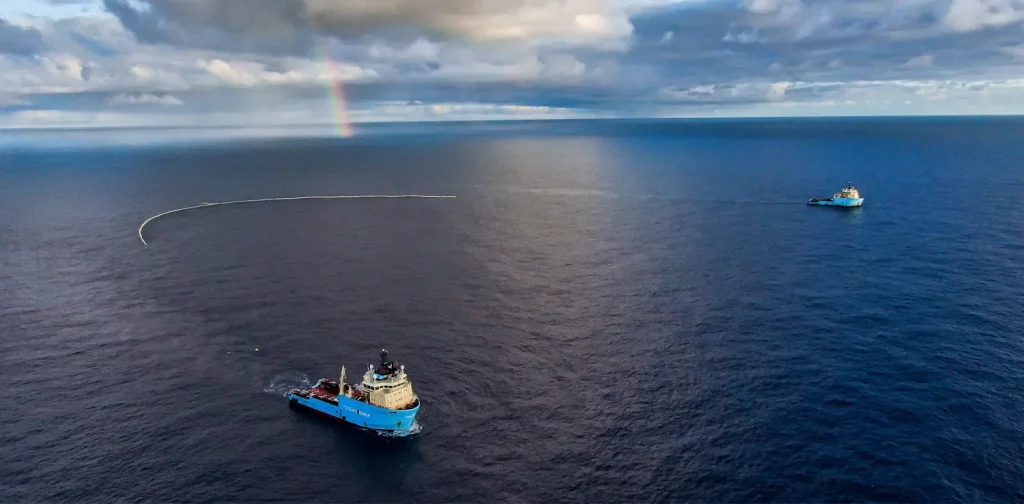
System 002 in the Great Pacific Garbage Patch. | Photo by The Ocean Cleanup.
“Plastics in the oceans and microplastics in our bodies” have become a bitter “trademark” of today’s world. Our planet is mostly oceans, and too much of our oceans is trash. For the good of our environment, biodiversity, and people, cleaning them up is a must.
There are five ocean garbage patches where trash accumulates. The biggest one is the Great Pacific Garbage Patch (GPGP) in the North Pacific Ocean. According to National Geographic, the garbage in the GPGP comes from around 20 million square kilometers of area, from the West Coast of North America to Japan. This garbage patch is the current focus of The Ocean Cleanup.
The Ocean Cleanup Technology
The Ocean Cleanup is a non-profit organization founded in 2013 by 18-year-old Boyan Slat. The organization develops technologies for one purpose: to clean our oceans from plastics.
The system works in four steps:
- Target: Predicting the ever-shifting hotspots of garbage due to circulating currents with the help of computational modeling and placing vessels there.
- Capture: Catching plastics in the retention zone of the cleanup system by maintaining a slow, relative speed difference to the plastic.
- Extraction: Taking out the retention zone once it’s full and emptying it on board. The emptied-out retention zone is then put back in to continue the cleanup.
- Recycle: Bringing vessels full of plastic to the shore for recycling, making durable and valuable products.
A massive project is bound to generate carbon emissions, mainly from the vessel fuel. The Ocean Cleanup partners with Maersk to develop the most fuel-efficient way to do it, from routing to logistics to looking into more sustainable fuels for the vessels. In the meantime, the non-profit is working with South Pole to offset its emissions.
Massive Scale-Up
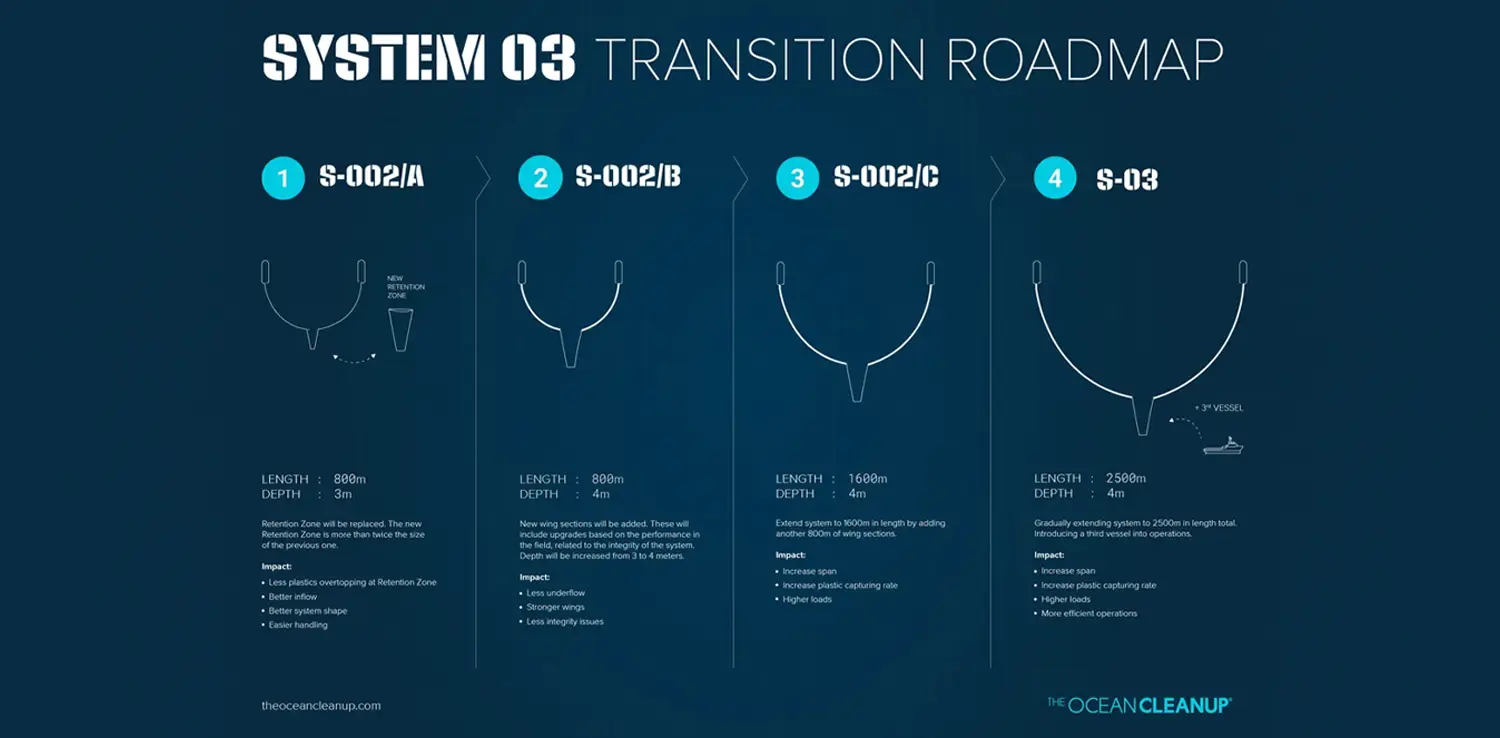
The Ocean Cleanup’s latest large-scale technology, System 002, has had successful test campaigns in 2021 and 2022. The organization is now transitioning to System 03, three times bigger than System 002.
Scaling up means the system could capture much more plastics all year round. The organization estimates it would be ten times more effective than the previous system. It also would lower the cost per kilogram and reduce carbon emissions per area of ocean cleaned, resulting in a substantial drop financially and ecologically.
The Ocean Cleanup hopes System 03 could be the blueprint for a fleet of systems that clean up all the world’s oceans. A scalable and adaptable best-practice system could be the key to getting rid of pollution in our waters, a step closer to a better future for us and the Earth.
Nazalea Kusuma
Naz adalah Manajer Publikasi Digital Internasional di Green Network Asia. Ia pernah belajar Ilmu Perencanaan Wilayah dan Kota dan tinggal di beberapa kota di Asia Tenggara. Pengalaman pribadi ini memperkaya persepektifnya akan masyarakat dan budaya yang beragam. Naz memiliki sekitar satu dekade pengalaman profesional sebagai penulis, editor, penerjemah, dan desainer kreatif.
YOUR TITLE FOR CONDITION 1
YOUR BODY TEXT FOR CONDITION 1
 Test Custom Feature Image
 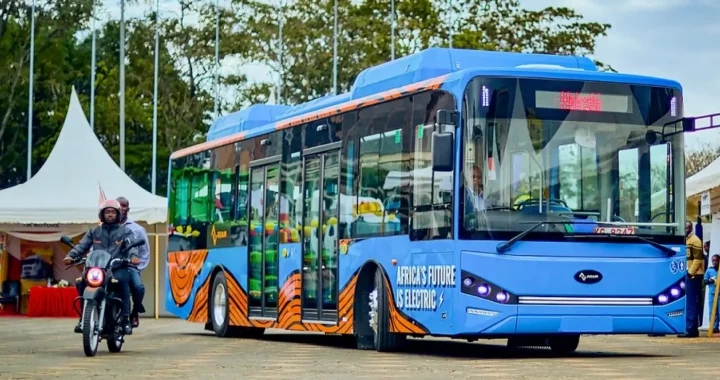 Electric Vehicles Roam the Roads of Kenya
 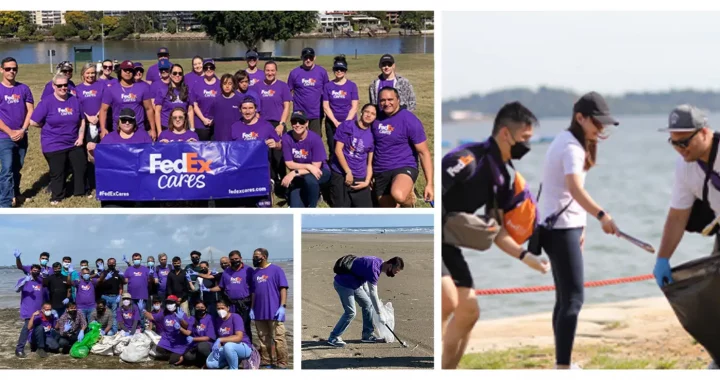 FedEx Engages Employees with Beach Clean-Up Initiative
 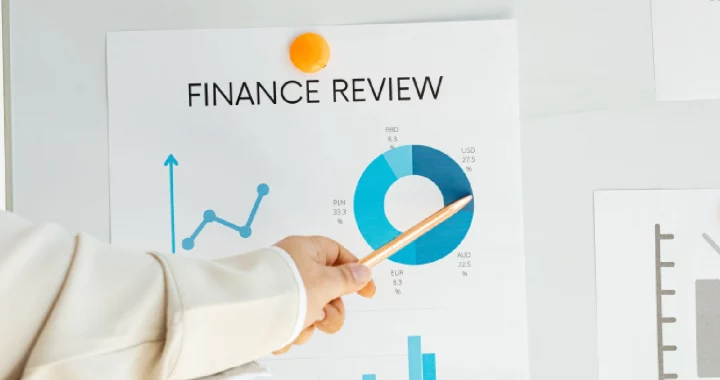 Come Back Stronger: Building Philippines’ Resilient Economy Post-COVID-19
  Inside Experian’s Sustainability Journey: An Interview with Chief Sustainability Officer Abigail Lovell
  5 Food System Actors That Have Taken the 123 Pledge to Reduce Food Loss & Waste
  Test premium post