
How Biotechnology Can Support Food Security and Energy Transition
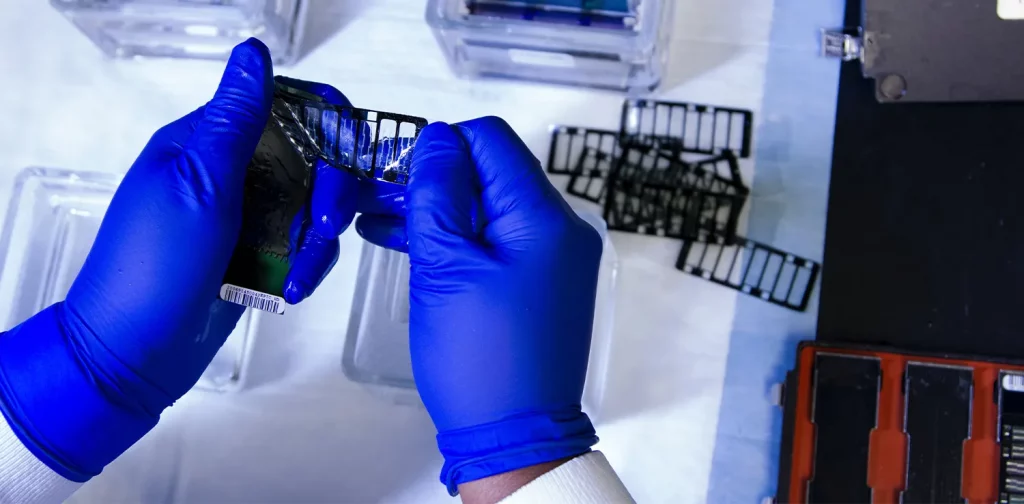
Photo by National Cancer Institute on Unsplash.
Modern problems require modern solutions. The recent COVID-19 pandemic, topped with climate change and various crises across the globe, is proof that we must continuously seek solutions, improvements, and innovations to drive sustainable changes.
Science, technology, and information are continuously evolving and mingling with different facets of our lives. One field that has developed tremendously as a result of interdisciplinary research is biotechnology. Then, how can biotechnology support our journey toward sustainability?
What is Biotechnology?
The Organization of Economic Cooperation and Development defines biotechnology as “the application of scientific and engineering principles to the processing of materials by biological agents to provide goods and services.” In other words, it refers to using biological processes, organisms, or systems to generate products that improve human lives and the planet’s health.
From food to medicine, so many products of biotechnology have been part of our everyday lives. Biotechnology covers various concepts, procedures, and functions, from using yeast to make bread and fermented beverages to the more complex mechanisms of producing vaccines.
As a branch of science that is constantly evolving, biotechnology has the opportunity to offer many solutions to the world’s growing problems. In recent years, the sustainable development community has recognized biotechnology as a powerful tool. It has enormous potential to support different aspects of human lives and help answer the world’s most pressing matters, such as the global food crisis and greenhouse gas emissions.
Biotechnology uses for sustainable development
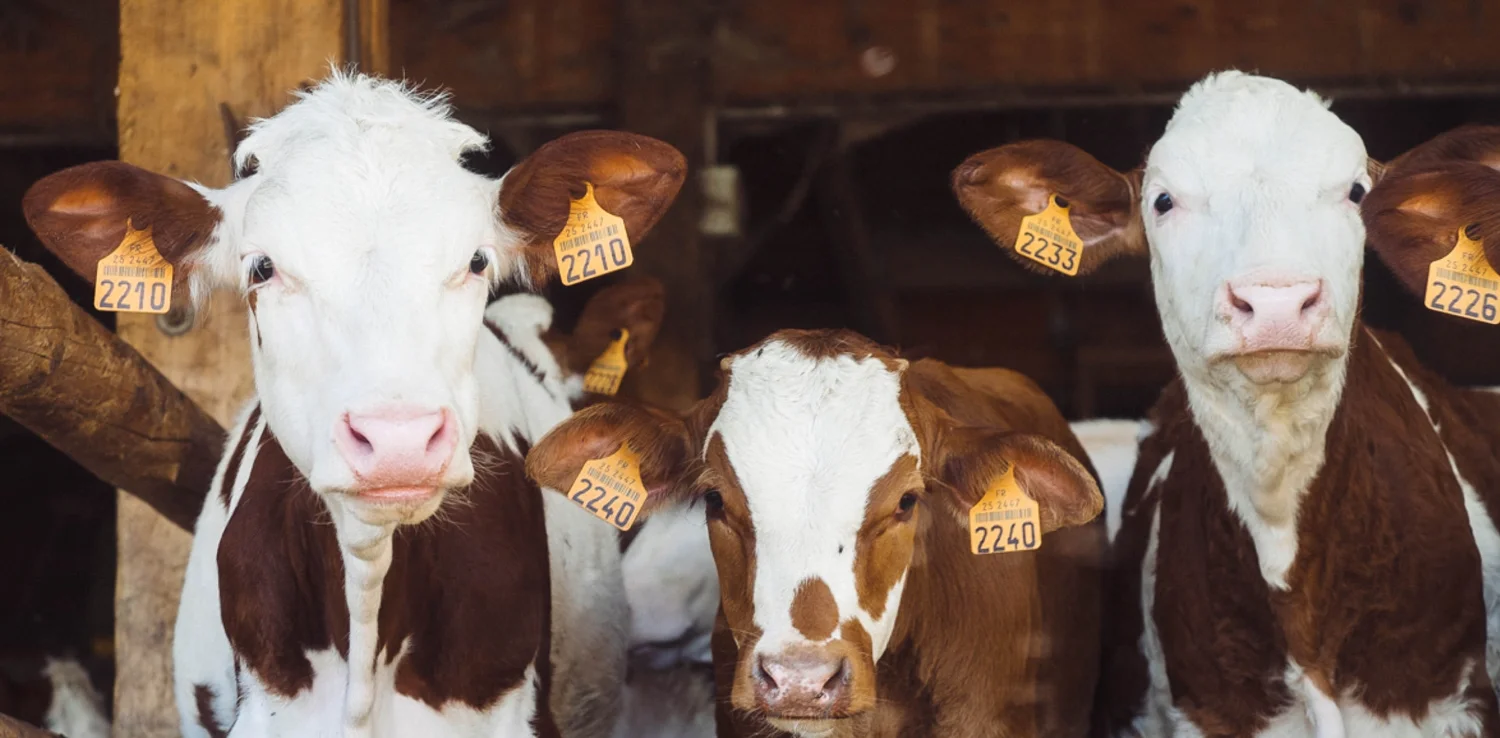
Agriculture is considered one of the earliest practices of biotechnology. Years ago, farmers worked on producing the best-yielding crops through breedings and creating effective fertilizers and pest controls. Today, various innovations have been developed to help strengthen the world’s food security with minimal environmental impacts.
For instance, scientists have been trying to grow meat from animal cells without using actual animals—also called cultured meat. Since meat industries are among the top greenhouse gas emission producers, cultivating cultured meat aims to reduce the carbon footprints, water consumption, and land usage of meat industries while still producing meat.
Biotechnologist Kaiser Jamil deemed biotechnology a promising alternative and improvement. “Combined with other advanced agricultural technologies, it offers an exciting and environmentally responsible way to meet consumer demand for sustainable agriculture,” said Jamil.
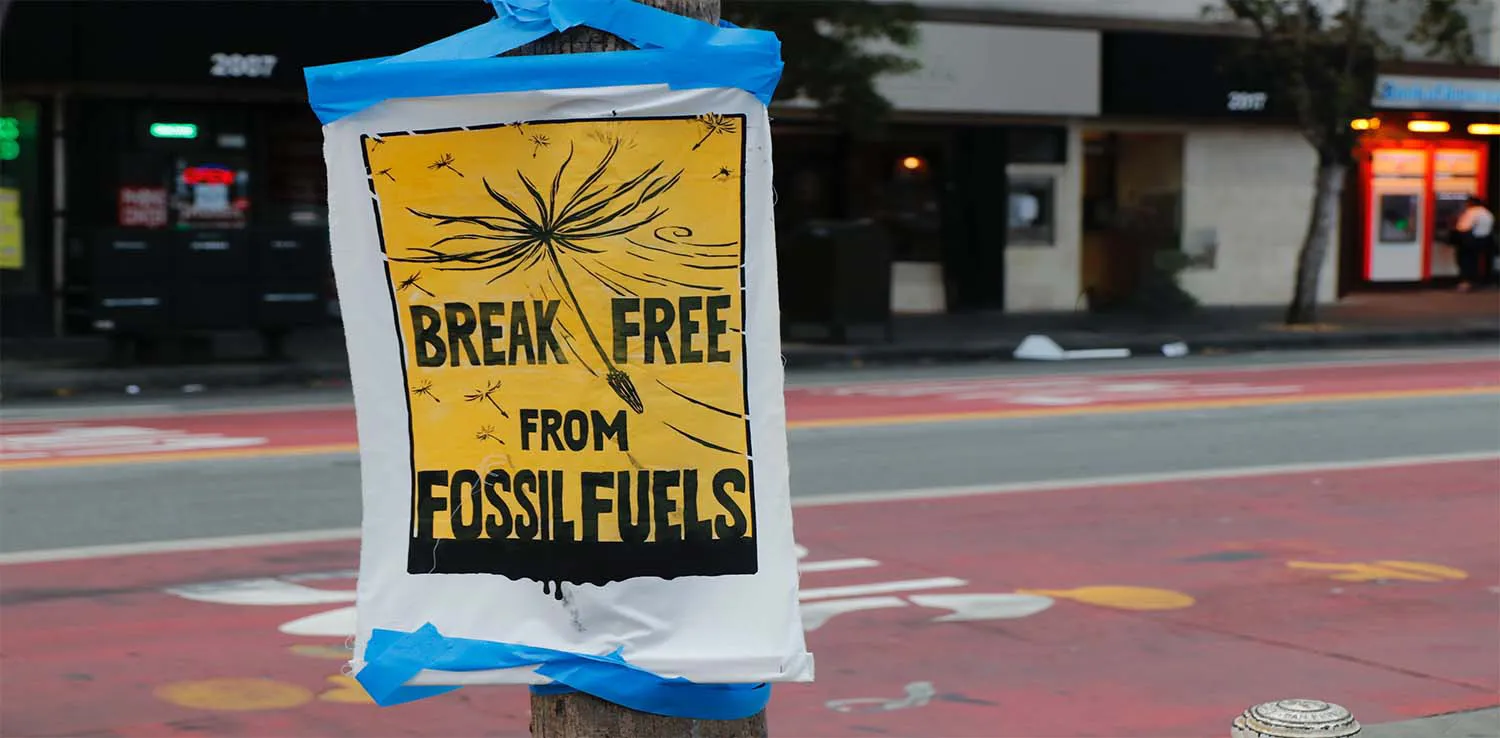
Beyond agriculture, biotechnology has been applied to generate various sustainable solutions. In the energy industry, biofuels—sourced from plant materials such as corn stalks and grass— are developed as renewable fuel alternatives to reduce the carbon footprints of fossil fuel production. In the Philippines, researchers are developing mango and seaweed-based bioplastics to replace plastic wrappers that utilize fossil fuels.
Research and development
Despite the abundant benefits in various industries, biotechnology applications have challenges. For instance, producing cultured meat is a complicated and expensive process that mostly isn’t ready for scalability yet. Another example is how several European countries ban Genetically Modified Food (GMO) due to the potential harm to human and animal health as well as ecosystems. Biofuels productions have also raised concerns, such as rising food prices and risk of land, forest, and ecosystem degradation. The fuel productions—especially those using first-generation crops—threaten to take over the lands previously used for agriculture, posing another risk of deforestation in search of new lands for planting.
Risk assessment is a crucial step in harnessing the full potential of biotechnology. The Food and Agriculture Organization of the United Nations (FAO) has been conducting evaluation, assessment, and recommendation processes to ensure the safety of GMOs. As the global demand for biofuels is predicted to grow by 28% in 2026, it is also crucial to work on land availability and other plant resources for production to remain sustainable. Continuous assessment should also be conducted in other fields where biotechnology is applied.
The advancement of biotechnology offers us abundant potential and solutions in our journey toward sustainability. Still, utilizing this science has to go hand-in-hand with humanity, responsibility, accountability, and cooperation between governments, academic institutions, and companies. That way, biotechnology applications can be robust, sustainable solutions for the good of all people and the planet without the expense of some.
Editor: Lalita Fitrianti & Nazalea Kusuma

Kresentia Madina
Madina is the Assistant Manager of Stakeholder Engagement at Green Network Asia. She holds a bachelor’s degree in English Studies from Universitas Indonesia. As part of the GNA In-House Team, she supports the organization's multi-stakeholder engagement across international organizations, governments, businesses, civil society, and grassroots communities through digital publications, events, capacity building, and research.
YOUR TITLE FOR CONDITION 1
YOUR BODY TEXT FOR CONDITION 1
 Test premium post
  Electric Vehicles Roam the Roads of Kenya
  Come Back Stronger: Building Philippines’ Resilient Economy Post-COVID-19
  Inside Experian’s Sustainability Journey: An Interview with Chief Sustainability Officer Abigail Lovell
  How Protection Law and Global Commitments Can Accelerate China’s Wetland Conservation
  Thinking Through Product Life Cycle and Good Practices for Sustainability: An Interview with David Croft from Reckitt
  Test Custom Feature Image